
Animal
Understanding Viltnemnda: The Guardians of Wildlife Management

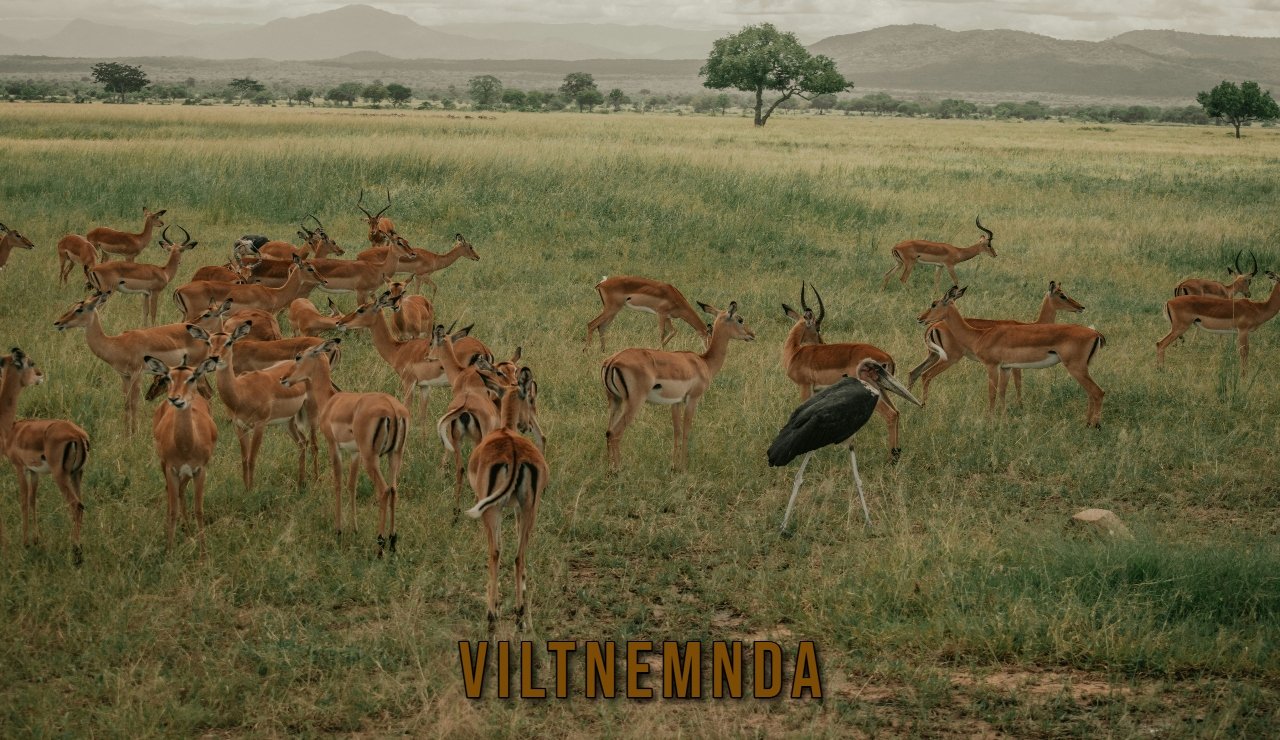
Wildlife management is a crucial aspect of preserving our natural resources and ensuring the balance between humans and wildlife. At the heart of this effort lies Viltnemnda, an essential body dedicated to safeguarding ecosystems across regions. But what exactly does Viltnemnda do? How did it come into existence, and why is it vital for local communities? This blog post delves deep into understanding Viltnemnda, exploring its history, responsibilities, and impact on wildlife conservation. Join us as we uncover the guardians of wildlife management!
Viltnemnda serves as a crucial link between wildlife conservation and community needs. Operating within various regions, these committees focus on managing local wildlife populations while ensuring sustainable practices. Their expertise fosters harmony between human activities and nature.
Composed of experts from diverse backgrounds, Viltnemnda works collaboratively with stakeholders to address challenges in wildlife management. They play an essential role in developing policies that protect habitats and promote biodiversity. Through their efforts, Viltnemnda not only preserves the environment but also enhances community engagement in sustainability initiatives.
What Is Viltnemnda?
Viltnemnda is a vital entity dedicated to wildlife management, primarily in Norway. Its main role involves overseeing the sustainable use of natural resources and ensuring ecological balance. This body comprises experts who make decisions based on scientific data and community input.
You Might Also Like: Discovering Crocolini
Operating at both regional and local levels, Viltnemnda collaborates with various stakeholders, including hunters, conservationists, and researchers. Their goal is to protect biodiversity while addressing the needs of local communities reliant on these ecosystems for their livelihoods. Through thoughtful governance, they strive to maintain harmony between human activities and wildlife preservation.
History and Development
Viltnemnda has a rich history that dates back several decades. Its inception arose from the need for organized wildlife management in response to growing concerns about biodiversity and ecosystem health. Over time, it evolved to address various challenges posed by urbanization and climate change.
As society’s understanding of environmental issues grew, so did Viltnemnda’s role. Legislation was introduced to formalize its responsibilities, allowing it to implement structured policies aimed at conservation. This development reflects an increasing recognition of the vital balance between human activity and wildlife preservation.
Structure and Composition
Viltnemnda is typically composed of a diverse group of individuals, each bringing unique expertise to wildlife management. Members often include hunters, conservationists, and representatives from local communities. This blend ensures that various perspectives are considered in decision-making.
The structure varies by region but generally includes a chairperson and several committee members. Their collaborative approach fosters strong relationships among stakeholders. Together, they work towards shared goals while upholding the principles of sustainable wildlife management throughout their jurisdiction.
Core Responsibilities of Viltnemnda
Viltnemnda plays a crucial role in wildlife management. Their core responsibilities include overseeing the sustainable use of animal populations, ensuring ecological balance, and protecting endangered species. This involves creating hunting regulations that align with conservation efforts.
Additionally, Viltnemnda conducts research to monitor wildlife health and habitats. They collaborate with local communities to educate about biodiversity and responsible practices. By facilitating dialogue between stakeholders—such as hunters, landowners, and environmental organizations—they foster an environment where all voices are heard in decisions affecting wildlife resources.
Data and Tools for Decision-Making
Viltnemnda relies heavily on data and technology to inform its decisions. These tools include wildlife population assessments, habitat condition reports, and climate impact studies. By analyzing these factors, Viltnemnda can craft effective management strategies.
Geographic Information Systems (GIS) play a crucial role as well. They help visualize data trends across various landscapes. This enables informed discussions about resource allocation and conservation efforts. With the right information at hand, Viltnemnda can better protect local wildlife while balancing community needs.
Challenges Faced by Viltnemnda
Viltnemnda faces numerous challenges in managing wildlife effectively. One significant issue is the increasing human-wildlife conflict, which can lead to negative perceptions and calls for culling. Balancing conservation with community needs often proves difficult.
Additionally, climate change poses a growing threat to ecosystems and species survival. As habitats shift, Viltnemnda must adapt its strategies continuously. Limited funding also hampers their ability to conduct research and implement effective management plans. These hurdles require innovative solutions and collaboration among stakeholders for sustainable outcomes in wildlife management.
Success Stories and Impact
Viltnemnda has made significant strides in wildlife management, showcasing numerous success stories that benefit both ecosystems and local communities. Through informed decision-making, they have successfully restored various animal populations, including deer and moose, allowing for sustainable hunting practices.
Additionally, their initiatives have fostered collaborations with conservation groups and educational programs. These efforts not only enhance biodiversity but also strengthen community ties as locals engage in stewardship activities. The positive impact of Viltnemnda’s work resonates throughout regions where wildlife conservation is prioritized alongside responsible resource use.
Viltnemnda Compared to Other Countries
Viltnemnda plays a critical role in Norway’s wildlife management. Compared to other countries, it showcases a unique blend of local governance and scientific input. This model allows for adaptive strategies tailored to specific regional challenges.
In contrast, many nations rely on centralized authorities for wildlife oversight. While this can streamline decision-making, it often overlooks localized ecological nuances. Viltnemnda’s approach emphasizes community engagement and collaboration with stakeholders, making it an interesting case study for global wildlife management practices.
Importance for Local Communities
Viltnemnda plays a crucial role in local communities by fostering a balance between wildlife conservation and human interests. By managing wildlife populations, they ensure that residents can coexist with nature while minimizing conflicts, such as crop damage or accidents involving animals.
Additionally, Viltnemnda engages community members in decision-making processes. This involvement raises awareness about the importance of biodiversity and encourages sustainable practices. As a result, locals feel empowered to protect their environment while benefiting from the natural resources around them.
The Future of Viltnemnda
The future of viltnemnda is poised for exciting developments. As environmental concerns grow, these organizations will increasingly adapt to embrace innovative strategies in wildlife management. Enhanced collaboration with local communities and stakeholders could lead to more effective practices.
Technology also plays a crucial role in shaping the path ahead. Advanced data analysis tools and tracking systems can offer deeper insights into animal behavior and population dynamics. This shift toward modernization may help viltnemnda navigate challenges while promoting sustainable coexistence between wildlife and human interests.

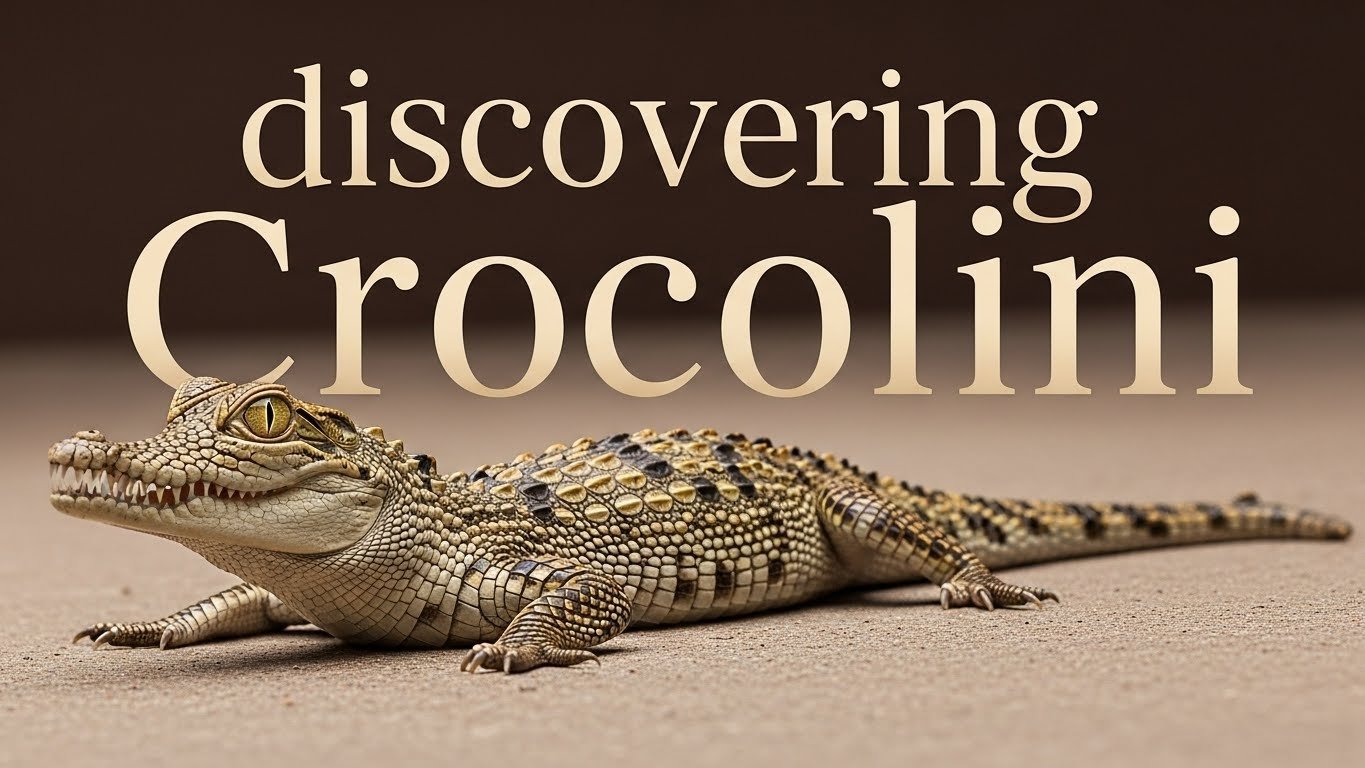
Meet Crocolini, the enchanting miniature crocodile sensation that has captured hearts around the world. With their tiny stature and playful nature, these little reptiles are making waves in both households and culinary scenes alike. Imagine a creature so adorable that it challenges our perceptions of traditional pets! Whether you’re curious about their origins or eager to explore their nutritional benefits, there’s much to uncover about Crocolini. Join us on this delightful journey as we explore everything from caring for these small companions to savoring them on your plate. Get ready to dive into the fascinating world of Crocolini!
Crocolini, the charming miniature crocodile, is quickly becoming a favorite among pet lovers and food enthusiasts alike. These pint-sized reptiles boast unique features that make them irresistibly cute. With their wide eyes and playful demeanor, they are hard to resist.
Originating from specific regions known for their biodiversity, Crocolini has recently gained popularity for its small size and endearing traits. Their manageable nature makes them suitable companions for those looking to add a bit of adventure to their lives.
As more people discover these delightful creatures, interest in their care and culinary uses continues to grow. The exploration of Crocolini promises surprises at every turn!
History and Origin
The crocolini, a delightful miniature crocodile sensation, has captured the hearts of many since its discovery. This unique creature is believed to have originated in the lush wetlands of Southeast Asia. Local communities first encountered these tiny reptiles in the early 2000s.
These small crocodiles typically measure no more than two feet long, making them an appealing alternative to their larger relatives. Their charming appearance and playful nature quickly drew interest from animal enthusiasts worldwide.
As awareness grew, so did conservation efforts aimed at protecting their natural habitats. Today, crocolini are celebrated not just for their cuteness but also for their role in biodiversity and ecosystem health.
Nutritional Benefits of Crocolini
Crocolini packs a powerful nutritional punch. These miniature crocodiles are rich in essential vitamins and minerals that support overall health. Their unique composition includes high levels of iron and calcium, crucial for maintaining strong bones.
Additionally, Crocolini is known to be low in calories while providing ample protein. This makes it an excellent choice for those looking to maintain a balanced diet without sacrificing flavor or satisfaction.
The presence of antioxidants adds another layer of benefit, promoting better immune function and fighting oxidative stress. Incorporating Crocolini into your meals can elevate not just taste but also nourishment in every bite.
Culinary Delights with Crocolini
Crocolini, the delightful miniature crocodile, has captured culinary enthusiasts’ hearts. Its unique flavor and tender texture make it a fantastic ingredient in various dishes. Chefs are experimenting with crocolini in everything from salads to stir-fries.
One popular preparation involves sautéing crocolini with garlic and olive oil, allowing its subtle sweetness to shine through. This dish pairs beautifully with grains or pasta, creating a vibrant meal full of nutrients.
For those who love adventurous flavors, try incorporating crocolini into tacos. Add fresh toppings like avocado and salsa for an exciting fusion that impresses guests at dinner parties or casual gatherings.
Evaluating Crocolini vs. Broccoli and Chinese Broccoli
Crocolini, a delightful hybrid of broccoli and Chinese broccoli, has gained popularity for its unique flavor profile. The tender shoots offer a sweet yet slightly nutty taste that sets it apart from traditional varieties. This makes Crocolini an exciting addition to various dishes.
Broccoli is well-loved for its versatility and nutritional value, packed with vitamins C and K. In contrast, Chinese broccoli boasts broader leaves and stems that deliver a distinct bitterness. Each vegetable brings something special to the table depending on your culinary goals.
When considering health benefits, all three options are nutrient-dense choices. However, Crocolini stands out with its high antioxidant content while maintaining a low-calorie count.
Habitat and Diet of Crocolini
Crocolini thrive in warm, humid environments. They are often found near water sources like ponds and swamps, where they can bask in the sun or hide among aquatic plants. Their small size allows them to navigate through dense vegetation easily.
In terms of diet, these miniature crocodiles are opportunistic feeders. They primarily consume insects and small fish but also enjoy amphibians when available. Captive crocolini require a balanced diet that mimics their natural intake.
Providing fresh food regularly encourages healthy growth and behavior. A varied menu keeps them engaged while ensuring they receive essential nutrients for optimal health.
Conservation Efforts and Threats
Crocolini, the charming miniature crocodile, faces several conservation challenges. Habitat loss due to urban development and agriculture threatens their natural environments. As more land is cleared for human use, these small creatures find it increasingly difficult to thrive.
Additionally, illegal poaching poses a significant risk. Some people seek out Crocolini for exotic pets or novelty items. This demand adds pressure on wild populations, making conservation efforts vital.
Organizations are stepping up to protect Crocolini habitats and educate the public about their plight. By raising awareness and fostering appreciation for this adorable species, they aim to create sustainable solutions that benefit both Crocolini and their ecosystems.
Caring for Crocolini as a Companion
Caring for Crocolini as a companion requires attention and dedication. These miniature crocodiles thrive in environments that mimic their natural habitats. A spacious terrarium with proper humidity and temperature is essential for their well-being.
Feeding your Crocolini a balanced diet rich in protein is crucial. Offer small insects, such as crickets or mealworms, alongside nutrient-dense vegetables to ensure they receive all necessary vitamins and minerals.
Social interaction also plays a vital role in their happiness. Spend time observing them and gently handling them when comfortable. Building trust takes patience but leads to a rewarding bond between you and your adorable companion.
Training and Behavioral Tips for Crocolini
Training your crocolini can be a delightful experience. Start with basic commands like sit and stay. Use treats for positive reinforcement, making the process enjoyable for both of you. Consistency is key; practice regularly to establish good habits.
Socialization is also essential. Introduce your crocolini to different environments and people gradually. This exposure helps them become well-adjusted companions, reducing fear or anxiety in new situations.
Pay attention to their body language too. Crocolinis communicate through subtle cues, such as tail movement or eye contact. Understanding these signals will strengthen your bond and help you adapt training methods that suit their unique personality.
Importance of Veterinary Care for Crocolini
Providing veterinary care for your crocolini is crucial. Regular check-ups ensure they are healthy and free from diseases. These miniature crocodiles, while adorable, can be susceptible to specific health issues if not properly monitored.
Veterinarians who specialize in exotic pets understand the unique needs of crocolini. They can provide guidance on diet, habitat maintenance, and behavioral concerns. Keeping up with vaccinations and preventive care helps prolong their lifespan.
If you notice any changes in behavior or appetite, seeking immediate veterinary assistance is essential. Remember that a healthy crocolini is a happy one! Prioritizing their healthcare will enhance the bond between you and your scaled companion.
-

 News1 month ago
FEATURED IN CREATIVITY MAGAZINE
-

 Blog3 weeks ago
Discovering Eporer: The Ultimate Guide to a Revolutionary Blogging Platform
-

 News2 months ago
Fascisterne in Focus: The Role of Media in Shaping Public Perception
-

 Others2 months ago
HOW TO MAKE: A HEATED EYE MASK [DIY TUTORIAL]
-

 Finance2 months ago
Crypto30x.com Ocean: Revolutionizing the Cryptocurrency Trading Experience
-

 Blog2 months ago
The Evolution of Laaster: How This Tradition Has Changed Over Time
-

 Lifestyle2 months ago
Lufanest: Ultimate Platform for Smart Home and Lifestyle Solutions
-

 Technology1 month ago
Kibard – Exploring the Brand, Design Philosophy & Modern Appeal