
Art
Plangud: How Quality Wooden Planks Are Crafted from Start to Finish

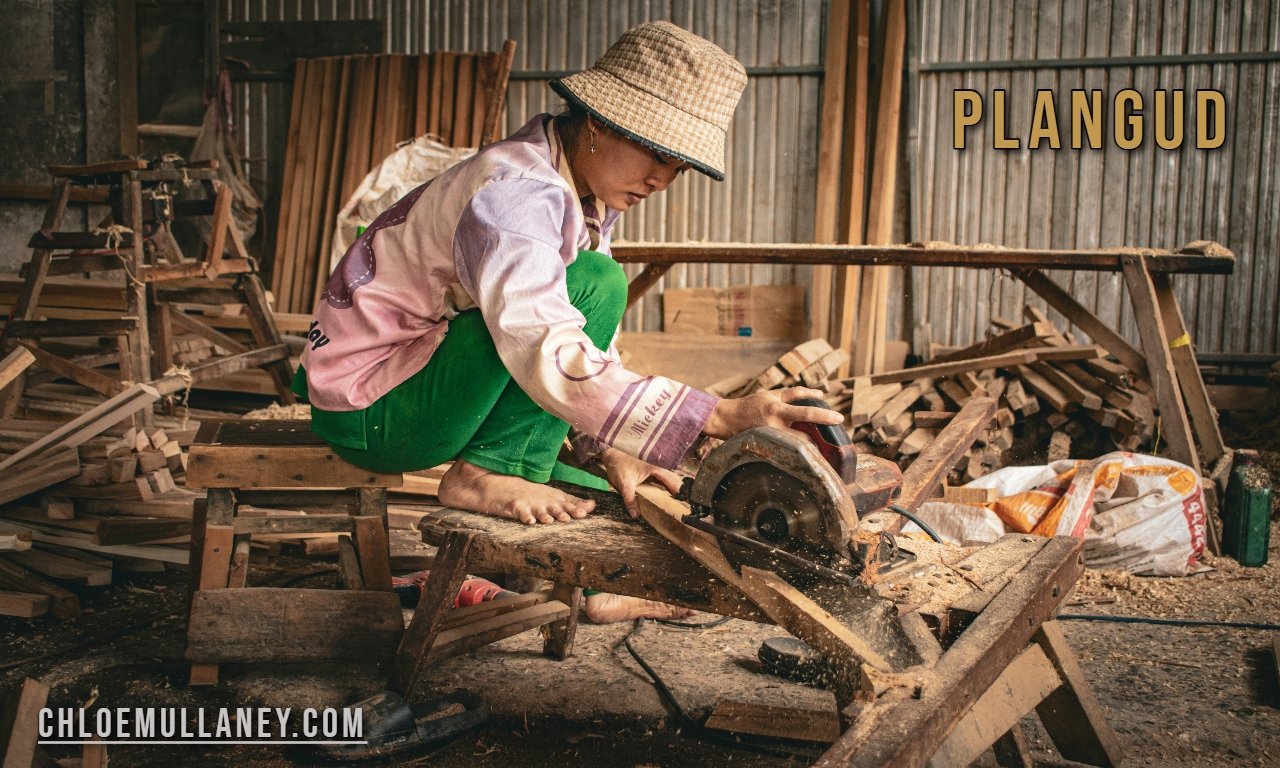
Wooden planks have been a cornerstone of construction for centuries, offering both functionality and aesthetic appeal. But have you ever wondered about the intricate process behind crafting these essential materials? Enter the world of plangud—where quality meets tradition in wooden plank production. As we delve into this fascinating realm, you’ll discover how expert craftsmanship transforms raw timber into reliable building blocks. From sustainable practices to innovative techniques, let’s embark on a journey through the art of creating quality wooden planks that stand the test of time.
Understanding the Core Concept of Plangud
Plangud is more than just a term; it embodies the essence of quality wooden plank crafting. This concept revolves around meticulous attention to detail, ensuring that each piece meets high standards for durability and aesthetics.
At its core, plangud emphasizes the harmony between nature and craftsmanship. It recognizes that every tree has unique characteristics which contribute to the final product’s individuality.
You Might Also Like: Quartist
Crafting with plangud means respecting these traits while also applying advanced techniques for optimal results. From selection to finishing touches, each step reflects a dedication to producing reliable materials for various applications in construction and design.
The Evolution of Plangud Crafting Techniques
Plangud crafting techniques have come a long way since their inception. Early artisans relied on simple hand tools and traditional methods, focusing primarily on skill and craftsmanship. Each plank was meticulously shaped, honed through years of experience passed down through generations.
As technology advanced, so did the processes involved in creating wooden planks. The introduction of machinery revolutionized production efficiency while maintaining quality standards. Modern equipment allows for precise cuts and uniform shapes that were once unimaginable.
Today, blending traditional methods with innovative practices is common. Artisans continue to honor age-old techniques while integrating sustainable materials and eco-friendly processes into their work. This evolution reflects not only changing technologies but also a growing commitment to environmental responsibility within the craft.
Benefits of Quality Wooden Planks in Construction
Quality wooden planks are essential in construction for numerous reasons. Their natural strength and durability provide a reliable foundation for various structures. Unlike synthetic materials, wood offers superior insulation properties, aiding energy efficiency.
Aesthetic appeal is another significant benefit of using quality wooden planks. They add warmth and character to spaces, making them popular choices for both residential and commercial projects. The versatility of wood allows it to fit seamlessly into diverse design styles.
Moreover, quality wooden planks can be cost-effective in the long run. They require less maintenance than many alternatives and can withstand harsh conditions when treated properly. This longevity contributes positively to the overall value of any construction project.
Using Sustainable Practices in Plank Crafting
Sustainable practices in plank crafting are essential for preserving our environment. By utilizing responsibly sourced timber, artisans reduce deforestation and promote forest regeneration. This commitment ensures that the natural habitat remains intact for generations to come.
Incorporating eco-friendly methods during production also plays a vital role. Techniques like water-based finishes minimize harmful emissions, contributing to better air quality. Additionally, solar energy can power machinery, further decreasing the carbon footprint of manufacturing processes.
Recycling wood scraps is another innovative approach. Instead of discarding leftover materials, crafters can repurpose them into smaller projects or products. This not only maximizes resource use but also showcases creativity while supporting sustainable craftsmanship.
Applications of Quality Wooden Planks in Different Industries
Quality wooden planks find diverse applications across various industries. In construction, they serve as essential structural elements, providing strength and stability to buildings. Architects often favor wooden planks for their aesthetic appeal, allowing for innovative designs that blend functionality with beauty.
The furniture industry also relies heavily on high-grade wooden planks. From elegant dining tables to sturdy bookshelves, these materials enhance both durability and style in home décor. Craftsmen appreciate the versatility of wood, enabling endless possibilities in design.
Additionally, quality wooden planks play a crucial role in outdoor projects like decking and fencing. Their natural resilience makes them ideal for weather-resistant applications while adding charm to gardens and patios alike. This adaptability underscores the importance of quality craftsmanship in every plank produced.
From Raw Materials to Finished Product: A Step-by-Step Guide
The journey of crafting quality wooden planks begins with selecting the right raw materials. Typically, hardwood or softwood logs are sourced from sustainable forests. These logs are then cut into manageable sizes for processing.
Next comes the drying phase. This crucial step reduces moisture content in the wood, preventing warping and cracking later on. Kiln drying is often employed to achieve precise moisture levels efficiently.
Once dried, the wood is planed to create smooth surfaces and uniform thickness. After this, it’s sanded meticulously for a flawless finish. Quality checks ensure that each plank meets industry standards before packaging them for distribution, ready to serve various construction needs.
Ensuring Durability and Reliability in Wooden Planks
Durability and reliability are crucial when crafting wooden planks. The selection of high-quality wood species plays a significant role in this aspect. Hardwoods like oak and maple are often preferred due to their natural strength.
Proper drying techniques further enhance durability. Kiln drying, for instance, reduces moisture content, minimizing the risk of warping or cracking over time. This process ensures that the wooden planks maintain their shape under various environmental conditions.
Additionally, protective finishes can add an extra layer of reliability. Treatments such as sealants or varnishes help resist water damage and protect against pests. These methods contribute to extending the lifespan of wooden planks while maintaining their aesthetic appeal in various applications.
Challenges and Solutions in Crafting Quality Wooden Planks
Crafting quality wooden planks comes with its share of challenges. One major issue is the sourcing of high-grade timber, as not all wood exhibits the desired characteristics for durability and aesthetics. This makes it crucial to establish reliable relationships with suppliers.
Another challenge is dealing with environmental factors during the crafting process. Changes in humidity and temperature can lead to warping or cracking in freshly cut planks. Implementing controlled environments for drying and processing helps mitigate these risks effectively.
Maintaining consistent quality throughout production can be daunting. Variability in techniques or machinery can result in inconsistencies. Investing in advanced technology and regular training for craftsmen ensures that standards remain high across batches, enhancing overall product reliability.
Future Innovations in Wooden Plank Crafting
The future of wooden plank crafting is bright and full of possibilities. Innovations in technology are reshaping the landscape, making it easier to produce high-quality planks with greater efficiency. Automated processes and advanced machinery contribute to precision cutting and finishing.
Sustainable practices continue to gain traction, paving the way for eco-friendly alternatives that benefit both manufacturers and consumers. Research into new wood treatments enhances longevity while preserving natural beauty.
Furthermore, developments in smart materials could lead to planks with embedded sensors, offering insights into their structural health over time. As industries evolve, so too will the methods used in crafting wooden planks—promising a balance between tradition and modernity that meets the needs of tomorrow’s construction demands.


Art has always been a reflection of society, bridging gaps between cultures and eras. Today, we find ourselves in an exciting era where tradition meets innovation through a new wave of creators known as quartists. These artists navigate the delicate balance between historical influences and contemporary practices, reshaping our understanding of creativity. As they push boundaries and foster collaboration, quartists are not just redefining art but also how we experience it. Join us on this journey to explore the world of quartists—who they are, what makes them unique, and why their role is crucial in today’s cultural landscape.
Quartists embody the dynamic fusion of traditional techniques and modern sensibilities. They draw inspiration from age-old practices while infusing their work with contemporary concepts, creating a dialogue between past and present. This unique approach allows them to craft pieces that resonate on multiple levels.
By embracing collaboration, quartists welcome diverse perspectives into their creative process. Their artworks often reflect collective experiences, inviting audiences to engage in meaningful conversations about culture, identity, and society. This vibrant interplay shapes not only the art itself but also how we perceive its role in our evolving world.
Revolutionizing Collaborative Creativity
Collaboration in the art world has taken on a new dimension, thanks to the emergence of quartists. These innovative creators blend traditional artistry with modern techniques, crafting experiences that resonate deeply with audiences. By breaking down barriers between different mediums and styles, they foster an environment where unique ideas flourish.
You Might Also Like: Exploring Caricatronchi
Quartists encourage participation and dialogue among peers and viewers alike. Their work often invites interaction, creating a dynamic exchange that enriches the creative process. This fresh approach not only enhances artistic expression but also builds communities around shared experiences in contemporary art.
What is a Quartist?
A quartist is a unique blend of artist and collaborator, thriving in the intersection of tradition and innovation. These creative individuals draw inspiration from various artistic disciplines, merging techniques to produce fresh perspectives that challenge conventional boundaries.
Quartists embrace collaboration as an essential element of their practice. They often work alongside other artists, technologists, and community members to create dynamic pieces that resonate with wider audiences. This spirit of cooperation fuels their creativity while celebrating diverse influences and backgrounds within the contemporary art scene.
Defining Qualities of a Quartist
A quartist embodies a unique blend of creativity and collaboration. They draw inspiration from traditional artistic practices while embracing modern techniques and technologies. This fusion allows them to craft pieces that resonate with both history and contemporary culture.
Flexibility is another defining quality. Quartists often work across various mediums, adapting their style to suit collaborative projects or community needs. Their ability to listen, share ideas, and integrate diverse perspectives enhances their art, making each piece a true representation of collective creativity.
The Difference Between a Quartist and a Traditional Artist
A quartist embodies a blend of collaboration and innovation, often working within interdisciplinary frameworks. Unlike traditional artists who typically focus on individual expression, quartists thrive in environments that foster shared creativity. They embrace diverse mediums and techniques while inviting input from various sources.
Traditional artists may prioritize their unique vision, honing specific skills to convey personal narratives. In contrast, quartists are adaptable and versatile, constantly evolving with the influences around them. This distinction highlights a shift in artistic practice—an exciting evolution driven by connection and technological advancements.
Why Quartists Are Important in Today’s Creative Landscape
Quartists play a crucial role in today’s creative landscape by merging traditional art forms with contemporary practices. This fusion not only keeps cultural heritage alive but also invites fresh perspectives that resonate with modern audiences. Their ability to adapt and innovate ensures that the arts remain relevant in an ever-changing world.
As they collaborate across disciplines, quartists foster community engagement and inspire dialogue among diverse groups. Their work challenges conventional boundaries, encouraging others to think outside the box. In doing so, they pave new pathways for artistic expression and redefine what art can be in society today.
Essential Skills and Challenges
A successful quartist must master a diverse skill set. This includes understanding various artistic mediums, collaboration techniques, and effective communication. Being open to feedback and adapting quickly is crucial for blending ideas with others. Creativity thrives in an environment that fosters teamwork.
However, the journey isn’t without challenges. Quartists often navigate differing artistic visions and conflicting opinions within collaborative projects. Balancing personal expression while respecting group dynamics can be tough. Additionally, time management plays a significant role as multiple creative voices come together to shape the final outcome.
Essential Skills Every Quartist Should Master
A successful quartist must master a blend of traditional and contemporary skills. This includes proficiency in various artistic techniques, from painting to digital media. The ability to adapt and experiment is crucial, allowing quartists to innovate while respecting established art forms.
Collaboration is another essential skill for a quartist. Working effectively with other artists can lead to inspiring creations that merge different perspectives. Strong communication skills help articulate ideas clearly, fostering creativity and teamwork within diverse groups. Embracing feedback enhances growth and refines their unique voice in the art world.
The Challenges of Being a Quartist
Being a quartist comes with its unique set of challenges. The blending of traditional techniques and modern innovation can leave one feeling stretched between two worlds. This balancing act requires constant adaptability and the willingness to embrace change.
Additionally, collaboration is at the core of being a quartist, which means navigating differing visions and creative conflicts. Finding common ground while maintaining individual artistic integrity can be tough. Quartists must develop strong communication skills to foster productive partnerships in this evolving landscape.
Technology and Quartists
Technology has transformed the art world, offering quartists innovative tools to express their creativity. Digital platforms enable collaboration among artists from different backgrounds and locations, breaking traditional barriers.
Software for design, animation, and virtual reality allows quartists to experiment with new forms of artistic expression. Social media helps them share their work instantly and connect with audiences globally. This fusion of technology and artistry fosters a dynamic environment where ideas thrive and evolve in real-time.
How Technology is Empowering Quartists
Technology is revolutionizing how quartists create and collaborate. Digital tools allow for innovative expression, enabling artists to blend mediums seamlessly. From virtual reality art installations to augmented reality experiences, the possibilities are endless.
Platforms like social media provide quartists with unprecedented exposure and opportunities for collaboration across borders. Online galleries showcase their work globally, while digital marketplaces facilitate direct sales. This tech-driven landscape empowers quartists to connect with audiences and fellow creators in ways traditional methods never could, enhancing both creativity and reach in today’s fast-paced artistic environment.
Career Development
Building a career as a quartist requires blending traditional techniques with modern methodologies. Networking is essential, as collaboration often leads to unique projects that showcase your versatility. Participating in workshops and exhibitions helps expand your visibility.
Moreover, creating an online portfolio can attract potential clients or collaborators. Social media platforms serve as powerful tools for promotion and engagement within the art community. Continuous learning through courses or mentorship will sharpen skills and keep you relevant in this ever-evolving landscape of contemporary art.
Building a Career as a Quartist
Building a career as a quartist involves embracing creativity and collaboration. It’s essential to seek out partnerships with other artists, musicians, and technologists. Networking can open doors to unique projects that blend diverse talents.
Establishing an online presence is equally important. Showcase your work on social media platforms and art websites. Engaging with your audience fosters connections and creates opportunities for collaborative ventures. Remember, being adaptable to new ideas will help you thrive in this dynamic field of contemporary art.
Looking to the Future
As the landscape of contemporary art continues to evolve, quartists are poised to shape its future in exciting ways. Their unique blend of tradition and innovation fosters new forms of expression that resonate with diverse audiences.
Emerging technologies will further empower these creative visionaries, allowing them to explore uncharted territories. Collaborations across various disciplines can lead to groundbreaking projects that redefine artistic boundaries and challenge societal norms. The journey ahead for quartists is filled with limitless possibilities, inviting everyone to witness their transformative impact on the art world.
The Future of Quartists
The future of quartists is bright and full of possibilities. As technology continues to evolve, these innovative creators will harness new tools to push artistic boundaries. Virtual reality, artificial intelligence, and collaborative platforms are just the beginning.
Moreover, as society increasingly values collaboration and inclusivity in art, quartists will play a vital role in shaping cultural narratives. They’ll lead movements that emphasize community-driven projects and foster connections across diverse backgrounds. This dynamic environment promises an exciting evolution for both artists and audiences alike.
Conclusion and Next Steps
The rise of quartists marks a significant shift in the art world. These creative individuals are redefining what it means to be an artist by blending traditional techniques with innovative approaches. As they navigate through various challenges, their unique skills and perspectives bring fresh energy to contemporary art.
Looking ahead, it’s clear that quartists will continue to play a vital role in shaping artistic expression. Their adaptability and willingness to embrace technology will only strengthen their impact on society. Aspiring quartists should focus on honing their skills while also exploring collaborative opportunities within the community.
Engaging with fellow artists and leveraging digital tools can open doors for growth. The journey of becoming a successful quartist is ongoing, filled with exploration and discovery. Embracing this path leads not just to personal fulfillment but also contributes richly to our cultural landscape as a whole.

Welcome to the whimsical world of caricatronchi, where art and humor collide in delightful ways. Imagine a realm filled with exaggerated features, playful expressions, and a touch of absurdity that brings smiles to faces young and old. Caricatronchi takes traditional illustration to new heights, inviting us to laugh at ourselves while appreciating creativity in its most vibrant form. Whether you’re an aspiring artist or simply curious about this unique style, join us as we explore the enchanting universe of caricatronchi!
Caricatronchi is a captivating blend of caricature and cartoon art, focusing on whimsical illustrations that spark joy. This playful style often features exaggerated proportions and quirky details that celebrate individuality. It’s not just about creating amusing images; it’s an invitation to see the world through a humorous lens.
This unique art form has gained popularity for its ability to connect with audiences on a personal level. Whether it’s depicting everyday scenarios or fantastical creatures, caricatronchi makes us laugh while encouraging creativity in both artists and viewers alike.
What is Caricatronchi?
Caricatronchi is a fascinating form of art that fuses caricature with whimsical illustrations. It brings characters to life in an exaggerated, playful manner, often highlighting their quirks and idiosyncrasies.
You Might Also Like: Top Trends in Tufted Rugs
This style invites viewers into a vibrant world filled with humor and imagination. Artists use bold colors and dynamic lines to craft unique pieces that evoke laughter and joy. With its roots in traditional caricatures, caricatronchi encourages creativity while challenging the boundaries of artistic expression.
The Origin and History of Caricatronchi
Caricatronchi has its roots deeply embedded in the playful side of art. Emerging from a blend of caricature and cartoon styles, this unique form began to gain popularity in the late 20th century. Artists sought to capture the quirks of everyday life, infusing their works with humor and whimsy.
As cultures evolved, so did Caricatronchi. It became a vibrant way for artists to express social commentary while entertaining audiences. This evolution showcases how creativity can adapt over time, keeping pace with societal changes and artistic movements around the world.
How Caricatronchi Differs from Traditional Art
Caricatronchi stands out from traditional art through its playful exaggeration and focus on whimsy. While classic artworks often strive for realism, caricatronchi embraces distortion to evoke laughter and joy. This unique approach invites viewers into a vibrant world of imagination.
Unlike conventional techniques that emphasize skillful detail, caricatronchi prioritizes expression over precision. Artists manipulate features and colors to create humorous interpretations of subjects, making it accessible yet impactful. This distinct style encourages creativity and conversation while breaking the mold of more serious artistic expressions.
The Process of Creating Caricatronchi
Creating caricatronchi begins with a spark of inspiration. Artists often draw on everyday life, capturing quirky expressions and amusing traits. A simple sketch serves as the foundation, allowing for exaggerated features that bring characters to life in delightful ways.
Next comes the refinement stage. Artists enhance their sketches using various mediums—digital tools or traditional pencils and inks. Color plays a vital role here, adding depth and vibrancy. The final touch is infusing humor into each piece, ensuring that every illustration resonates with joy and whimsy while captivating viewers’ attention instantly.
The Role of Humor in Caricatronchi
Humor is the heartbeat of caricatronchi. It breathes life into whimsical illustrations, transforming ordinary subjects into delightful caricatures that evoke laughter and joy. Artists skillfully exaggerate features or situations, creating a playful commentary on human nature.
This art form invites viewers to see the lighter side of life. Humor can bridge cultural gaps, making complex themes more accessible. Each stroke conveys not just an image but also a sentiment, encouraging us to embrace our quirks and laugh at ourselves in the process.
Famous Caricatronchi Artists
Throughout the world of caricatronchi, several artists have made their mark with whimsical flair. Names like Gianni DiMarco and Clara Belmonte stand out for their playful interpretations of everyday life, capturing both character and charm in each illustration.
These talented creators often blend humor with social commentary, making their works not just entertaining but thought-provoking. Their unique styles inspire budding caricatronchi artists to explore creativity beyond traditional boundaries while embracing the joy that comes from laughter and imagination.
Getting Started with Caricatronchi
To embark on your Caricatronchi journey, begin by gathering basic art supplies. Pencils, markers, and digital tools are great starting points. Explore various styles by studying existing works to understand the playful nature of these illustrations.
Next, practice sketching exaggerated features and whimsical elements. Don’t be afraid to let loose; humor is key in this art form. Experiment with different characters or scenarios that inspire you. The more you doodle and create, the closer you’ll get to developing your unique Caricatronchi style. Enjoy the process!
Real Benefits And Challenges
Caricatronchi offers a unique blend of humor and creativity, making it a delightful avenue for self-expression. Artists can explore their imagination while connecting with audiences on an emotional level. This art form encourages experimentation, allowing creators to develop distinctive styles that stand out.
However, the whimsical nature of caricatronchi can also pose challenges. Striking the right balance between humor and artistic integrity is crucial. Additionally, artists may face criticism if their work isn’t well-received or misunderstood. Navigating these hurdles requires resilience and a willingness to adapt in an ever-evolving artistic landscape.
Actionable Tips For Artists And Clients
For artists venturing into caricatronchi, start by studying various styles. Experiment with vibrant colors and exaggerated features to capture the whimsical essence. Don’t hesitate to showcase your personality through your artwork; authenticity resonates.
Clients seeking caricatronchi should communicate their vision clearly. Share references and discuss themes that inspire you. Collaborate closely with artists; feedback can enhance the final piece. Remember, patience is key—the best results often require time and creativity to flourish in this playful art form.
Frequently Asked Questions
Many people wonder what materials are best for creating caricatronchi. Artists typically use a mix of digital tools and traditional mediums like pen, ink, or watercolor. Experimenting with various options can lead to unique styles.
Another common question is about the target audience for caricatronchi art. This whimsical style appeals to both children and adults, offering humor that resonates across ages. Whether it’s for personal enjoyment or professional projects, the versatility of caricatronchi makes it an attractive choice for diverse audiences.
Conclusion
Caricatronchi represents a vibrant blend of humor and artistry, inviting both artists and audiences to explore the whimsical side of creativity. This unique form encourages self-expression through exaggerated features and playful themes. Whether you’re an aspiring artist or simply a fan, embracing Caricatronchi can lead to joy and inspiration. With its rich history and distinct style, it offers endless possibilities for exploration. Dive into this fascinating world; you might just find your next creative passion waiting within the charming realm of Caricatronchi.
-

 News2 months ago
FEATURED IN CREATIVITY MAGAZINE
-

 Blog1 month ago
Discovering Eporer: The Ultimate Guide to a Revolutionary Blogging Platform
-

 News2 months ago
Fascisterne in Focus: The Role of Media in Shaping Public Perception
-

 Finance2 months ago
Crypto30x.com Ocean: Revolutionizing the Cryptocurrency Trading Experience
-

 Others2 months ago
HOW TO MAKE: A HEATED EYE MASK [DIY TUTORIAL]
-

 Blog2 months ago
The Evolution of Laaster: How This Tradition Has Changed Over Time
-

 Technology2 months ago
Kibard – Exploring the Brand, Design Philosophy & Modern Appeal
-

 Lifestyle2 months ago
Lufanest: Ultimate Platform for Smart Home and Lifestyle Solutions