
Culture
Hitaar Explained: Bridging the Gap Between Past and Present Narratives

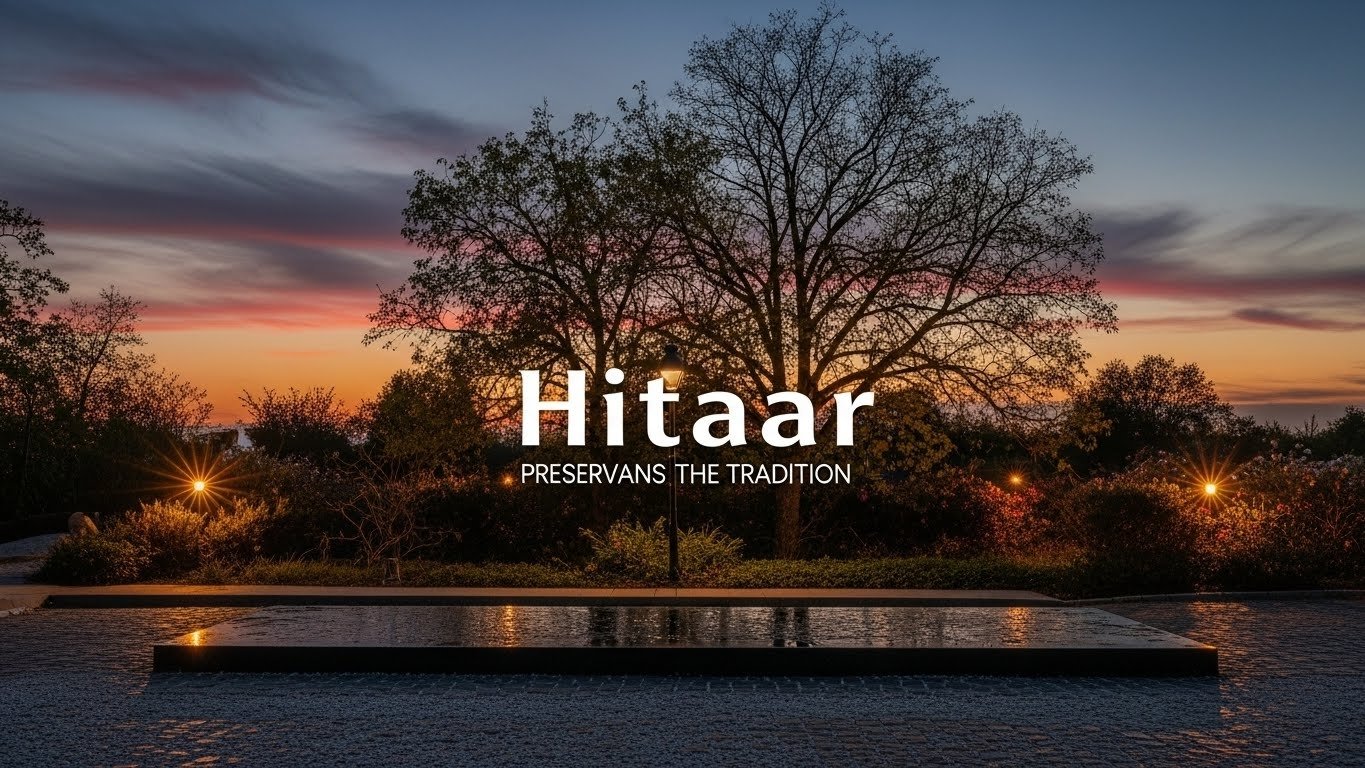
Hitaar is more than just a word; it embodies a rich tapestry of culture, history, and tradition. As we delve into this fascinating concept, we discover how it serves as a bridge between the past and present narratives. Whether you’re an avid historian or simply curious about cultural practices, hitaar offers something for everyone. It’s an exploration of identity, heritage, and the ways in which storytelling shapes our understanding of who we are.
In today’s fast-paced world, many traditions risk fading away into obscurity. Yet hitaar stands resilient—a powerful reminder that our stories matter. Join us on this journey to uncover its origins and significance while exploring how modern innovations continue to keep these narratives alive. From ancient customs to contemporary expressions, let’s unravel the layers of hitaar together!
Hitaar serves as a vital link between our rich past and the dynamic present. It captures the essence of storytelling, preserving narratives that define cultures and communities. Through hitaar, we witness how history influences modern-day experiences.
The beauty of hitaar lies in its adaptability. As society evolves, so do these stories. They morph into various forms—art, music, dance—ensuring relevance while honoring their roots. This fluidity keeps cultural dialogues alive across generations.
Furthermore, hitaar fosters connections among people from diverse backgrounds. By sharing stories that resonate universally, it transcends borders and unites individuals through shared experiences. In this way, hitaar is not just about remembering; it’s about living those tales daily and making them part of who we are today.
Origins of Hitaar: Preserving the Tradition
Hitaar has deep roots in cultural heritage, serving as a vital link connecting generations. Originating from ancient practices, this tradition embodies the stories and experiences of those who came before us. Each element of Hitaar reflects a unique narrative that deserves to be honored.
The preservation of Hitaar is essential for maintaining community identity. Families often gather to share their own interpretations and memories associated with these customs. This practice not only keeps history alive but also fosters unity among members.
You Might Also Like: Duaction Explained
As time progresses, it becomes crucial to adapt while honoring traditional methods. The challenge lies in balancing modernization with authenticity—ensuring that future generations appreciate the significance behind each ritual or story tied to Hitaar. Through conscious efforts, the essence of this rich legacy can continue flourishing amidst changing times.
Hitaar in the Modern Age: Evolution and Innovations
Hitaar has undergone remarkable transformations in the modern age. Once rooted firmly in tradition, it now embraces innovative techniques that breathe new life into its practice. This evolution allows for a broader interpretation of narratives, making them more relatable to contemporary audiences.
Today, artisans and storytellers use technology to enhance their craft. Digital platforms enable the sharing of hitaar stories across borders, reaching diverse communities eager to engage with this rich heritage. As a result, new generations are discovering these timeless tales through podcasts and online exhibitions.
Moreover, collaborations between traditional artists and modern creators have led to unique fusions of styles. These innovations not only preserve hitaar but also expand its relevance in today’s fast-paced world. By marrying the old with the new, hitaar continues to thrive as a vibrant art form adaptable for future enthusiasts.
Technology’s Role in Shaping Hitaar Today
Technology has become a powerful ally in the evolution of hitaar. Digital tools and platforms have made it easier to document, share, and promote this cultural expression. Artists can now reach wider audiences through social media, allowing their work to resonate across borders.
Innovative techniques are also changing how hitaar is created. Workshops utilizing virtual reality or online tutorials offer new ways for enthusiasts to learn traditional skills. This blend of old and new encourages creativity while staying rooted in heritage.
Moreover, technology facilitates collaboration among artists from different backgrounds. Online communities allow for sharing experiences and ideas that enrich the hitaar narrative, bridging generational gaps. As a result, technology not only preserves but also reinvigorates this cherished tradition for future generations.
Globalization’s Influence on Hitaar
Globalization has dramatically shifted the landscape of hitaar, introducing new influences while also challenging traditional practices. As cultures intermingle, elements from various regions blend into hitaar, enriching its narrative tapestry. This fusion creates unique expressions that can resonate with a broader audience.
However, the globalization of hitaar isn’t without its challenges. The risk of commercialization threatens to dilute authentic practices as artists and practitioners adapt to global trends rather than preserving their roots. It raises questions about authenticity versus innovation in a rapidly changing cultural environment.
Yet, this very interaction fosters dialogue among diverse communities. Artists are finding new ways to connect and collaborate across borders, leading to innovative interpretations that honor tradition while embracing modernity. In this dynamic exchange lies an opportunity for growth and revitalization within the world of hitaar.
Cultural Significance: Traditions and Practices
Hitaar represents a rich tapestry of cultural significance, weaving together stories, traditions, and practices that have endured through generations. At its core, hitaar embodies the values and beliefs of communities, often reflecting their unique histories. These narratives serve as a powerful reminder of where we come from.
Traditions surrounding hitaar vary widely across regions but share common themes such as unity and resilience. Rituals associated with it foster connections among people, allowing them to celebrate their heritage while nurturing social bonds. This communal aspect reinforces identity within diverse groups.
Practices related to hitaar also highlight the importance of storytelling in preserving culture. Oral traditions are passed down through families, ensuring that younger generations understand their roots. By actively engaging with these customs, individuals not only honor the past but also contribute to an evolving narrative that continues to shape contemporary society.
Passing Down Hitaar: Teaching and Preserving for Tomorrow’s Generations
The art of Hitaar is more than just a practice; it embodies the spirit of community and heritage. As elders share their stories, they ensure that younger generations grasp the essence behind each narrative. This passing down of knowledge fosters a sense of identity among youth.
Workshops and cultural events play a crucial role in teaching Hitaar to kids and young adults. Through interactive sessions, they learn about traditional instruments, storytelling techniques, and performance styles. Engaging with these practices deepens their appreciation for cultural roots.
Incorporating technology can also modernize how Hitaar is taught. Online platforms allow teachers to reach wider audiences, ensuring more people connect with this rich tradition. By embracing both old and new methods, we safeguard the future of Hitaar for years to come.
Concluding Thoughts: Embracing the Legacy of Hitaar
The legacy of hitaar is more than just a collection of stories or practices; it represents the heartbeat of cultures that have thrived for generations. As we navigate through an increasingly fast-paced world, the importance of this tradition becomes even more apparent. Hitaar connects us to our roots while inspiring modern interpretations that resonate with today’s audiences.
Embracing hitaar means recognizing its role as a bridge between past and present. It encourages dialogue among different generations, fostering understanding and respect for cultural heritage. By engaging with these narratives, we not only preserve history but also enrich our own experiences.
As technology continues to shape how we interact with traditions like hitaar, there’s an opportunity to innovate without losing authenticity. This balance ensures that future generations can appreciate their heritage in ways that are relevant and meaningful today.
Celebrating hitaar invites everyone—young and old—to participate in a shared journey where culture thrives alongside innovation. The essence of this practice lies in its ability to adapt while remaining rooted deeply within the fabric of society. Embracing such a legacy guarantees that it will continue to inspire countless stories for years to come.

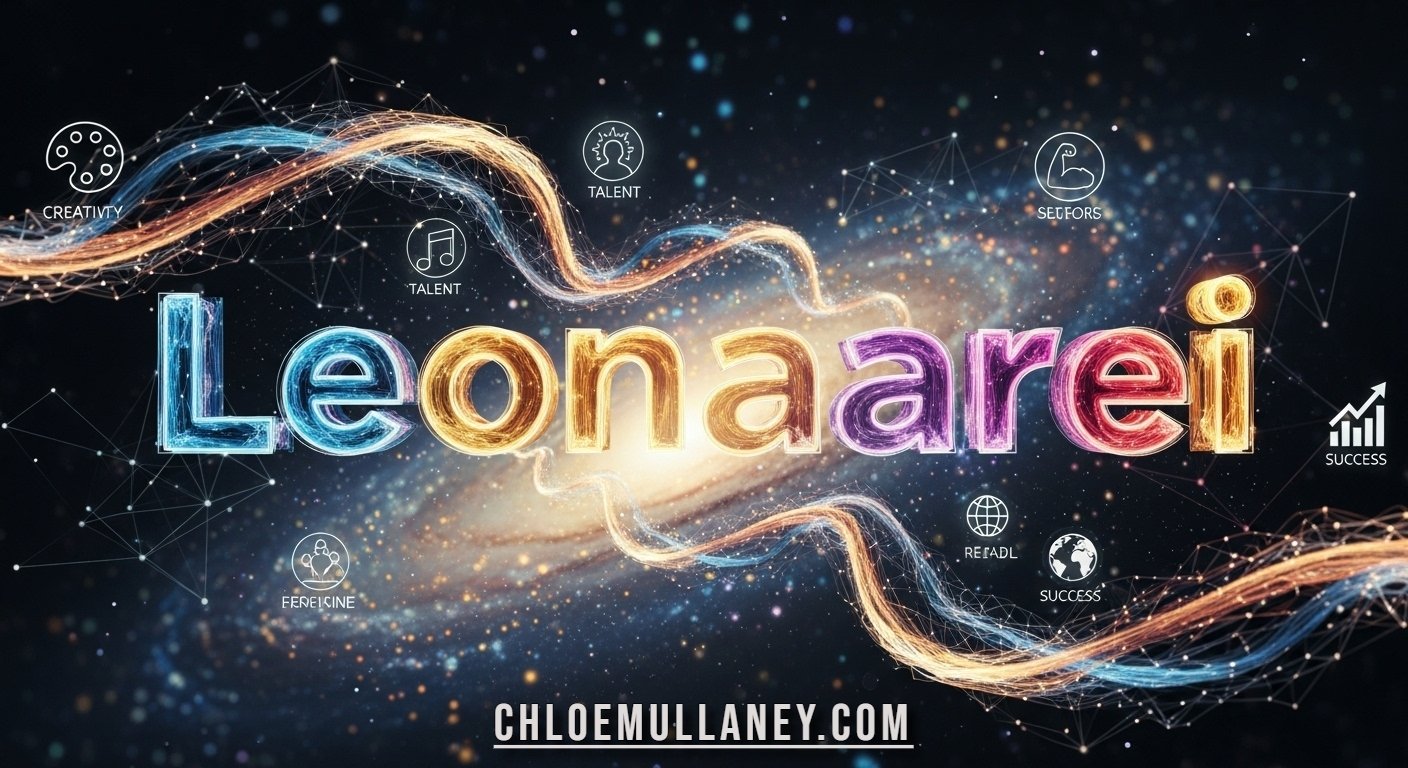
Leonaarei is not just a name; it’s a movement that embodies talent, creativity, and resilience. This remarkable journey has captured the hearts of many around the globe. From its humble beginnings to its burgeoning influence across various sectors, Leonaarei stands as a beacon of inspiration for those seeking success through hard work and dedication.
Imagine a world where passion fuels purpose—where innovative ideas take flight. That’s the essence of Leonaarei. Here, individuals come together to explore their talents and push boundaries in pursuit of excellence. Whether you’re an aspiring artist or an entrepreneur looking for your next big break, there’s something magical about being part of this community.
As we delve into this inspiring story, let us uncover the philosophical foundations that shaped Leonaarei, examine its core pillars that define it today, and explore how it’s making waves across cultures worldwide. Prepare to be inspired by tales of triumphs over adversity as we navigate through this fascinating narrative!
Read: Türk Idla
The journey of Leonaarei is a testament to the power of talent combined with unwavering determination. It started as a small collective, where passionate individuals united by their dreams sought to create something extraordinary. Each member brought unique skills and perspectives, fostering an environment ripe for innovation.
As they navigated challenges together, the spirit of collaboration transformed ideas into impactful projects. This synergy became the cornerstone of Leonaarei’s identity. With every achievement, from grassroots initiatives to global endeavors, they proved that success is not just about individual accomplishments but about uplifting one another.
This inspiring narrative has resonated across borders and cultures. People everywhere are drawn to its message: greatness springs from unity and perseverance. The stories emerging from this movement empower others to chase their aspirations fearlessly while embracing the essence of community.
Leonaarei’s influence continues to expand, capturing attention in various sectors—artistic expression, entrepreneurship, social impact—and demonstrating that true success lies in sharing talents with the world.
The Origins and Philosophical Foundations of Leonaarei
Leonaarei emerged from a desire to blend creativity with purpose. It began as a grassroots movement, fueled by passionate individuals who believed in the power of talent and collaboration. This collective spirit ignited discussions about art, community engagement, and innovation.
At its core lies a philosophy centered on authenticity. Leonaarei encourages everyone to embrace their unique talents while recognizing the interconnectedness of all individuals. The belief is that personal growth can flourish when people come together, sharing ideas and experiences.
The founders drew inspiration from various cultural traditions, weaving them into the fabric of Leonaarei’s identity. This rich tapestry includes elements of resilience, compassion, and respect for diversity. Each aspect reinforces the idea that success is not solely individual but rather a shared journey.
As it spread across borders, Leonaarei evolved further while staying true to its roots. The principles guiding this movement resonate deeply with those who seek meaning beyond mere achievement; they embody an enduring commitment to uplifting one another through art and action.
Core Pillars: The Trinity That Defines Leonaarei
At the heart of Leonaarei lies a profound trinity that shapes its essence. Each pillar represents a unique aspect of talent and success, merging to create an inspiring framework. The first pillar emphasizes creativity. It nurtures innovative thinking and encourages individuals to express their authentic selves.
The second pillar is collaboration. This fosters meaningful connections between diverse talents, allowing ideas to flourish in a supportive environment. Through teamwork, various perspectives unite into powerful solutions that drive progress.
The final pillar is resilience. Life’s journey often presents obstacles; this core tenet equips individuals with the strength to overcome challenges and grow from adversity. Embracing setbacks becomes a stepping stone toward greater achievements.
Together, these three pillars form the foundation of Leonaarei’s philosophy, guiding participants on their paths to realization and fulfillment while fostering an atmosphere where dreams can thrive.
Leonaarei in Practice: Manifestations and Global Projects
Leonaarei manifests in various forms across the globe, showcasing its versatility. From art installations to community workshops, it embraces creativity and collaboration. Each project serves as a testament to the movement’s core values.
In urban centers, Leonaarei has sparked initiatives that bring art into public spaces. These installations invite engagement and foster connection among diverse communities. They transform mundane environments into vibrant canvases of expression.
Internationally, Leonaarei projects focus on sustainability and social justice. Collaborations with local artists empower communities while addressing pressing issues like climate change and inequality. The movement’s emphasis on inclusivity resonates deeply within these efforts.
Education also plays a crucial role in Leonaarei’s global outreach. Workshops aimed at nurturing young talent inspire future generations of creators and thinkers. This commitment to knowledge-sharing ensures that the spirit of Leonaarei continues to thrive worldwide.
The Cultural and Societal Impact of the Leonaarei Movement
The Leonaarei movement has made significant waves across various cultures and societies. It champions creativity, innovation, and collaboration as essential tools for progress. By encouraging individuals to share their talents, it fosters a sense of community that transcends borders.
Through workshops, events, and digital platforms, the movement provides opportunities for artistic expression. Participants often find new ways to connect with others who share similar passions. This exchange cultivates an environment where ideas flourish.
Moreover, Leonaarei promotes inclusivity by embracing diverse perspectives. Its emphasis on varied cultural backgrounds enriches discussions around art and success. This diversity sparks dialogues that challenge societal norms.
As more people engage with the principles of Leonaarei, its impact deepens within communities worldwide. The ripple effect is evident in schools adopting creative curriculums or local organizations collaborating on social projects inspired by the movement’s ethos.
Navigating the Challenges and Future Horizons
Navigating the challenges surrounding Leonaarei requires resilience and adaptability. As this innovative movement continues to grow, it faces emerging obstacles that could hinder its progress. From resource allocation to maintaining alignment among diverse groups, the path is far from straightforward.
Engagement with local communities remains crucial. Understanding cultural nuances helps in tailoring initiatives that resonate deeply. This approach fosters genuine connections and encourages collaboration rather than imposing solutions from above.
Technological advancements also play a role in shaping future directions for Leonaarei. Harnessing digital tools can enhance outreach and streamline project management but also presents new complexities regarding accessibility and inclusiveness.
Looking ahead, fostering a culture of innovation will be essential. By encouraging creative problem-solving within teams, Leonaarei can tackle unforeseen issues while remaining aligned with its core values—ultimately driving meaningful change across various sectors worldwide.
Conclusion
The journey of Leonaarei is a testament to the power of passion and perseverance. It’s not just about achieving personal success; it’s about uplifting communities and fostering connections across diverse cultures. The philosophical foundations that drive Leonaarei encourage individuals to tap into their unique talents, creating a ripple effect in society.
As we look ahead, the future holds immense promise for the Leonaarei movement. Embracing challenges will only strengthen its resolve. This dynamic approach ensures that talent continues to flourish worldwide, inspiring many others along the way.
Leonaarei stands as an embodiment of what can be achieved when creativity meets commitment. It reminds us all that every step taken towards our aspirations has the potential to create lasting change in ourselves and those around us. As this remarkable journey unfolds, it’s clear: greatness lies within each of us waiting to be discovered through our own version of Leonaarei.
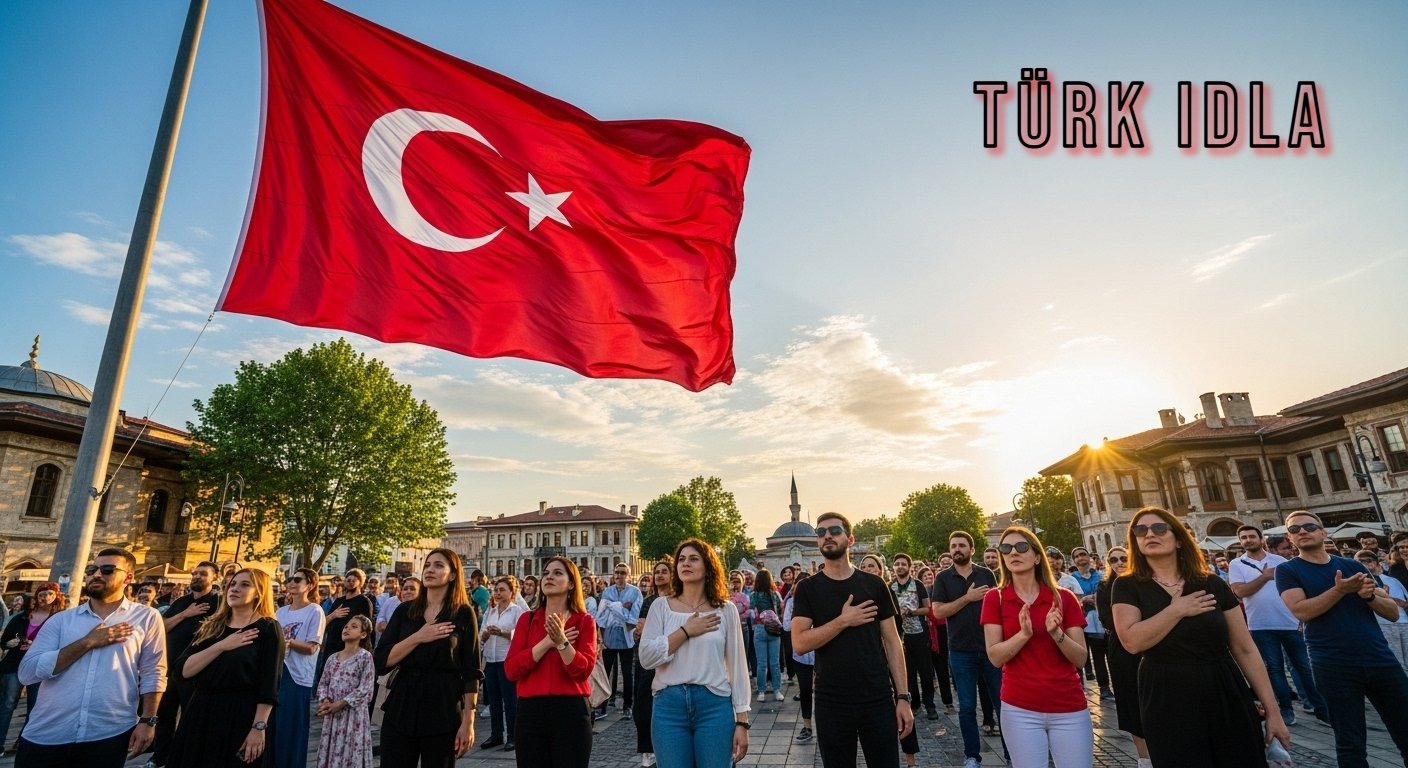
Türk Idla is more than just a cultural phenomenon; it’s a dynamic force reshaping efficiency and performance across various sectors. Rooted in rich traditions, it embraces modern innovations to foster community engagement and creativity. As we delve into the origins of Türk Idla, its impact on Turkish culture, and its influence on contemporary practices, you’ll discover how this vibrant tradition continues to resonate today. Join us as we explore the many facets of Türk Idla and uncover what makes it truly unique!
Türk Idla is transforming the landscape of efficiency and performance through its unique blend of tradition and innovation. By harnessing age-old practices alongside modern technology, it empowers individuals and organizations to optimize their processes. This cultural movement not only streamlines operations but also inspires creativity, making it essential for both personal and professional growth in today’s fast-paced world.
Origins and Inspirations
Türk Idla has deep roots in Turkey’s rich cultural tapestry. It draws inspiration from traditional folk practices, blending the old with modern influences. This dynamic form of expression reflects local customs and values, showcasing a unique identity that continues to evolve while honoring its heritage. The vibrant energy of Türk Idla resonates throughout various communities across the nation.
Roots of Türk Idla
Türk Idla has deep roots in the rich tapestry of Turkish history. It blends traditional music, dance, and storytelling into a vibrant expression of cultural identity. Originating from ancient rituals and communal gatherings, this art form reflects the soul of Turkish communities while celebrating their shared heritage and values in modern times.
Impact on Turkish Culture
Türk Idla has woven itself into the fabric of Turkish culture, enriching traditions and fostering creativity. It serves as a bridge between generations, allowing for cultural exchange. This vibrant expression unites communities, highlighting local customs while also adapting to modern influences. As Türk Idla evolves, its impact on societal values and identity continues to resonate deeply among the people.
You Might Also Like: Hitaar Explained
Platforms for Efficiency
Türk Idla serves as a dynamic platform, fostering collaboration and creativity. It brings together diverse voices, enhancing regional identities while preserving traditional Turkish culture. This vibrant space encourages modern expressions of efficiency, allowing artists and communities to share their work and ideas seamlessly. The result is an engaging blend of heritage and innovation that resonates widely.
Influence on Regional Identities
Türk Idla serves as a vibrant thread weaving through various regional identities across Turkey. It captures the essence of local traditions and dialects, allowing communities to express their uniqueness. As individuals engage with Türk Idla, they connect deeply with their heritage while fostering a sense of belonging that transcends geographical boundaries.
Traditional Turkish Culture and Türk Idla
Türk Idla intertwines seamlessly with traditional Turkish culture, reflecting age-old customs and values. It serves as a vital expression of community ties and storytelling. Through its rhythms and themes, Türk Idla captures the essence of local folklore, inviting participation while preserving heritage for future generations. This cultural dance remains a vibrant part of Turkey’s identity today.
Modern Expressions and Efficiency
Modern expressions of Türk Idla showcase a blend of tradition and innovation. Artists leverage technology to create immersive experiences, enhancing engagement. Performance art has evolved, incorporating multimedia elements that resonate with younger audiences. This fusion not only preserves cultural heritage but also boosts efficiency in communication, making the art form more accessible and appealing in today’s fast-paced world.
Artistic Enhancements
Türk Idla thrives on creativity, blending traditional artistry with modern techniques. Visual innovations like vibrant colors and intricate designs captivate audiences. Sound enhancements bring an immersive experience, resonating deeply within communities. Artists experiment with various mediums, allowing fresh interpretations of this cultural phenomenon. As Türk Idla evolves, it continues to inspire new forms of expression and engagement among diverse audiences.
Visual and Sound Innovations
Türk Idla is a vibrant fusion of visual and auditory elements. Artists experiment with colors, patterns, and soundscapes to create immersive experiences. These innovations captivate audiences, bridging tradition and modernity. The synergy between visuals and sounds enhances storytelling, making Türk Idla not just an art form but a dynamic celebration of culture that resonates deeply with viewers.
Contemporary Perspectives
Contemporary perspectives on Türk Idla reveal a dynamic interplay between tradition and modernity. Artists are blending age-old techniques with new technologies, creating vibrant expressions that resonate with younger audiences. This fusion not only preserves cultural heritage but also invites innovation, enriching the tapestry of Turkish art and community engagement in exciting ways.
Impact on Business Strategies
Türk Idla has reshaped business strategies by integrating traditional values with modern efficiency. Companies increasingly adopt its principles to enhance teamwork and creativity. This cultural infusion fosters innovative approaches, attracting diverse audiences and driving customer loyalty. As businesses embrace Türk Idla, they position themselves for sustainable growth in a competitive market landscape.
Youth Engagement and Community Building
Youth engagement is vital for the sustainability of Türk Idla. By actively involving young people, communities foster creativity and innovation. Workshops, events, and collaborative projects encourage participation. This not only strengthens cultural ties but also builds a sense of belonging among youth. As they contribute their ideas, vibrant connections form within the community, enriching both tradition and modernity.
Youth Appeal and Participation
Türk Idla resonates deeply with the youth, offering an engaging platform that fosters creativity. Young participants find their voices through modern interpretations while connecting to rich traditions. This dynamic blend not only attracts attention but also encourages involvement in cultural events and initiatives, empowering them to shape a vibrant community around Türk Idla’s essence.
Building a Strong Community
A strong community thrives on shared experiences and mutual support. Türk Idla fosters connections among participants, encouraging collaboration and creativity. Events often bring people together, creating a sense of belonging. This vibrant atmosphere not only strengthens individual bonds but also enhances overall engagement with cultural practices, ensuring that traditional values are passed down through generations while evolving in contemporary contexts.
Overcoming Challenges and Success
Türk Idla has faced numerous challenges, from cultural shifts to modernization pressures. However, resilience shines through as communities adapt and innovate. By embracing new technologies while respecting traditions, Türk Idla thrives. Success stories emerge from collaborations that unite artists and audiences alike, showcasing the beauty of this art form in contemporary settings. The journey continues with endless possibilities ahead.
Hallmarks of Success
Türk Idla has achieved remarkable success through its innovative approach. Its adaptability to modern trends and commitment to promoting cultural heritage resonate with audiences. Collaborations with artists and communities amplify its reach, creating a vibrant platform for expression. The blend of tradition and contemporary elements enables Türk Idla to thrive in diverse environments, solidifying its impact across various spheres.
Challenges Faced and Solutions
Türk Idla faces challenges like cultural preservation amidst modernization. Balancing tradition with contemporary influences can be tricky. However, community workshops and collaborative events help bridge the gap. Engaging younger generations through social media campaigns fosters interest and participation. These solutions create a dynamic environment where both heritage and innovation thrive, ensuring Türk Idla remains relevant today.
Future Outlook
The future of Türk Idla looks promising, with advancements in technology driving new innovations. As digital platforms evolve, they will enable broader participation and creativity. This evolution may lead to a global appreciation for Türk Idla, catering to diverse audiences while preserving its rich heritage. The potential for collaboration across cultures offers exciting opportunities ahead.
Advancements and Innovations
Türk Idla has embraced new technologies, integrating digital platforms that enhance user experience. Innovations such as interactive apps and virtual reality experiences are reshaping how enthusiasts connect with this cultural phenomenon. These advancements not only streamline participation but also make Türk Idla accessible to a broader audience, driving engagement and fostering creativity in unprecedented ways.
Türk Idla in the Global Sphere
Türk Idla is making waves beyond its borders, captivating audiences worldwide. Its unique blend of traditional elements and modern flair attracts diverse communities. By participating in global events and collaborating with international artists, Türk Idla fosters cultural exchange. This growing recognition showcases the richness of Turkish culture while inviting new interpretations from around the globe.
Related Resources
Explore a variety of resources to deepen your understanding of Türk Idla. Discover must-read articles that highlight its cultural significance and innovative expressions. Check out our editor’s picks for insightful perspectives and stay updated with the latest by subscribing to our newsletter. Engage with content that enriches your knowledge and appreciation of this vibrant art form.
Must-Read Articles
Discover a curated selection of must-read articles that delve into Türk Idla’s rich cultural tapestry. These pieces explore its historical roots, artistic innovations, and contemporary practices. Each article offers valuable insights into how Türk Idla shapes identities and enhances community engagement. Dive deep to understand the nuances and significance behind this vibrant tradition.
Editor’s Picks
Discover our top selections that highlight the essence of Türk Idla. Each pick showcases unique facets, from traditional influences to modern interpretations. Dive into articles that inspire and inform, offering fresh perspectives on efficiency and performance within this vibrant cultural expression. These editor’s picks are curated for anyone seeking deeper insights into the world of Türk Idla.
Subscribe for Updates
Stay connected and stay informed about the evolving landscape of Türk Idla. Subscribe to our newsletter for regular updates, insights, and exclusive content on this vibrant cultural phenomenon. Join a community passionate about enhancing efficiency and performance through Turkish traditions. Don’t miss out—sign up today!
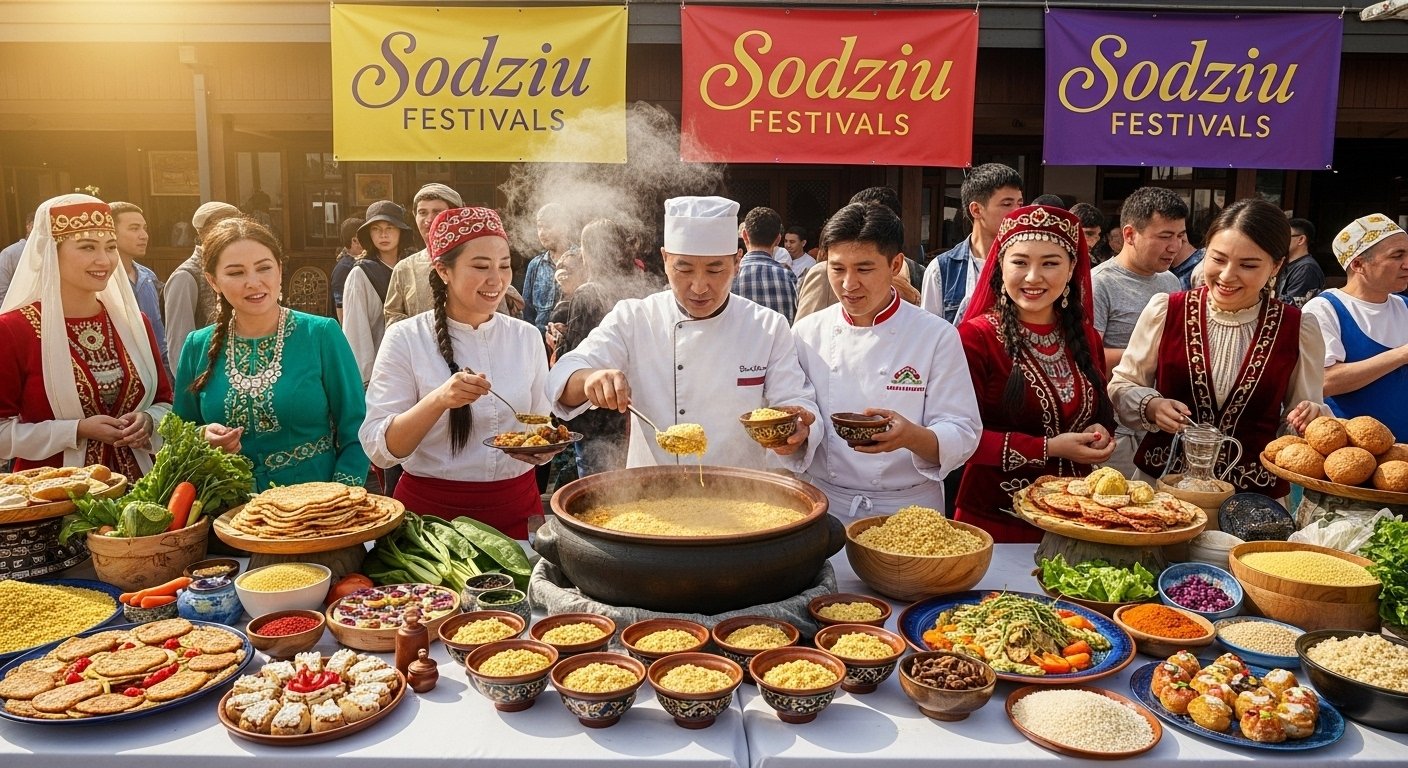
Imagine a world where food brings people together, transcending boundaries and celebrating diverse cultures. Welcome to the vibrant world of sodziu! This culinary gem is not just about flavors; it’s a rich tapestry woven from unique ingredients, traditional cooking techniques, and deep-rooted traditions. Across communities, festivals dedicated to sodziu showcase its mouthwatering dishes while honoring the heritage that shapes them. Join us on this flavorful journey as we explore what makes sodziu cuisine a cherished part of many lives and how it continues to thrive in modern times. From tantalizing recipes to health benefits, discover why sodziu deserves a place at your table!
Sodziu festivals are vibrant gatherings that celebrate the rich culinary heritage of this unique cuisine. Communities come together to share their love for sodziu, showcasing traditional dishes and cooking techniques passed down through generations. The atmosphere buzzes with excitement as families set up stalls filled with colorful ingredients and mouthwatering aromas.
At these festivals, local chefs demonstrate their skills, preparing meals in real-time. Attendees can sample a variety of sodziu dishes while learning about the cultural significance behind each recipe. Music, dance, and storytelling also play vital roles in creating an unforgettable experience.
You Might Also Like: The Evolution of Laaster
Whether held in bustling city squares or serene rural settings, these celebrations foster connections among people who appreciate food as a means of bringing communities closer together.
The Unique Ingredients and Cooking Techniques of Sodziu Cuisine
Sodziu cuisine is a celebration of fresh, local ingredients that reflect the region’s rich agricultural heritage. Staples like millet, sweet potatoes, and seasonal vegetables are commonly used. These elements highlight the vibrant flavors found within every dish.
Cooking techniques in Sodziu are equally unique. Traditional methods often include slow cooking over open flames or steaming dishes wrapped in banana leaves. This not only infuses meals with depth but also preserves their nutritional value.
Herbs and spices play an essential role too. Fresh ginger, garlic, and local chilies add complexity to flavors while creating a tantalizing aroma that fills the air during meal preparation. Each bite tells a story rooted in the culture’s traditions and community values.
Popular Sodziu Dishes to Try
Sodziu cuisine boasts an impressive variety of dishes that tantalize the taste buds. One must-try is the signature Sodziu stew, a rich blend of tender meats and aromatic spices, simmered to perfection. Each bite bursts with flavor, showcasing the heartiness of traditional cooking.
Another crowd favorite is the grilled Sodziu fish, marinated in local herbs and served alongside vibrant vegetables. The smoky aroma paired with fresh ingredients creates a dish that’s both satisfying and healthy.
Don’t forget about the delightful Sodziu dumplings! These pockets of goodness are often filled with savory mixtures of meat or vegetables. Served with a tangy dipping sauce, they offer a perfect snack for any occasion.
Health Benefits of Sodziu Diet
The Sodziu diet is a treasure trove of health benefits. Its focus on fresh, locally-sourced ingredients means that meals are packed with nutrients. Seasonal vegetables and herbs play a significant role in enhancing flavors while providing essential vitamins.
Another advantage is the use of traditional cooking methods, like steaming or grilling. These techniques help maintain the integrity of the food, preserving its natural goodness without relying on heavy oils or additives.
Moreover, Sodziu cuisine often emphasizes balance and moderation. Dishes are typically rich in fiber and low in processed sugars, promoting better digestion and stable energy levels throughout the day. Eating Sodziu can be both delicious and beneficial for your overall well-being.
Where to Find Authentic Sodziu Food
Finding authentic sodziu food is an adventure in itself. Start by exploring local markets and specialty stores that focus on regional cuisine. These places often stock unique ingredients essential for creating traditional sodziu dishes.
Restaurants dedicated to sodziu cuisine are also a great option. Look for family-owned establishments where recipes have been passed down through generations. The warmth of these venues enhances the entire dining experience.
Don’t forget about food festivals celebrating sodziu culture. These events showcase various vendors serving up delicious, homemade meals that highlight the rich flavors of this culinary gem. It’s a fantastic way to sample different dishes while connecting with community traditions.
How Sodziu Culture Influences the Culinary Scene in Modern Times
Sodziu culture infuses modern culinary practices with rich traditions. Chefs today often draw inspiration from age-old recipes, incorporating unique spices and techniques that define Sodziu cuisine. This blend of heritage and innovation creates a vibrant dining experience.
Fusion restaurants are embracing Sodziu flavors, marrying them with global cuisines to attract diverse palates. Diners can enjoy dishes like Sodziu tacos or sushi rolls infused with traditional herbs. These creative combinations keep the essence of Sodziu alive while appealing to contemporary tastes.
Community events and food festivals spotlight these evolving dishes, allowing chefs to showcase their interpretations of classic flavors. As more people discover the depth of Sodziu cuisine, its influence continues to reshape menus across various culinary landscapes.
The Role of Sodziu in Culture and Tradition
Sodziu is more than just a culinary delight; it’s deeply woven into the fabric of culture and tradition. Each dish tells a story, reflecting the history and values of communities that cherish it. As families gather around the table, they share not only food but also memories and customs passed down through generations.
Every ingredient carries significance, often sourced from local farms or markets. This connection to nature fosters community bonds and supports sustainability. Festivals celebrating Sodziu further enhance this cultural tapestry, bringing people together in joyful celebration.
Artisans take pride in their craft, showcasing traditional cooking techniques that have stood the test of time. These practices ensure that Sodziu remains a living heritage, vibrant with flavor and meaning for future generations to enjoy.
Celebrations and Festivals in Sodziu
Sodziu celebrations and festivals are a vibrant tapestry of culture, food, and community spirit. Each event showcases the region’s rich culinary heritage, inviting locals and visitors alike to indulge in delightful dishes that highlight unique flavors.
During these festivities, families gather to share traditional meals prepared with love. Street vendors fill the air with enticing aromas while live music and dance performances create an electrifying atmosphere. The connection between food and festivity is palpable as people bond over shared experiences.
Festivals also serve as a platform for preserving Sodziu’s unique traditions. Workshops on cooking techniques offer younger generations insights into their culinary roots while fostering pride in this cherished cuisine. Such events truly embody the heart of Sodziu culture.
Preserving the Heritage of Sodziu
Preserving the heritage of Sodziu is vital for future generations. As communities come together to celebrate this culinary gem, they also safeguard traditions that have been passed down through time. Local chefs and home cooks are dedicated to honoring authentic recipes while incorporating contemporary influences.
Workshops, cooking classes, and festivals play a significant role in keeping these traditions alive. They serve as platforms for sharing knowledge about unique ingredients and techniques. Additionally, younger generations are increasingly participating in these cultural practices.
By embracing both tradition and innovation, the essence of Sodziu cuisine thrives. It’s not just about food; it’s an enduring celebration of identity and community values that strengthens bonds among people from diverse backgrounds. The passion for preserving Sodziu’s rich culinary landscape ensures it remains vibrant for years to come.
-
 News2 months ago
FEATURED IN CREATIVITY MAGAZINE
-

 Blog1 month ago
Discovering Eporer: The Ultimate Guide to a Revolutionary Blogging Platform
-

 News2 months ago
Fascisterne in Focus: The Role of Media in Shaping Public Perception
-

 Finance2 months ago
Crypto30x.com Ocean: Revolutionizing the Cryptocurrency Trading Experience
-

 Others2 months ago
HOW TO MAKE: A HEATED EYE MASK [DIY TUTORIAL]
-
 Blog2 months ago
The Evolution of Laaster: How This Tradition Has Changed Over Time
-

 Technology2 months ago
Kibard – Exploring the Brand, Design Philosophy & Modern Appeal
-

 Lifestyle2 months ago
Lufanest: Ultimate Platform for Smart Home and Lifestyle Solutions