
News
FEATURED IN CREATIVITY MAGAZINE

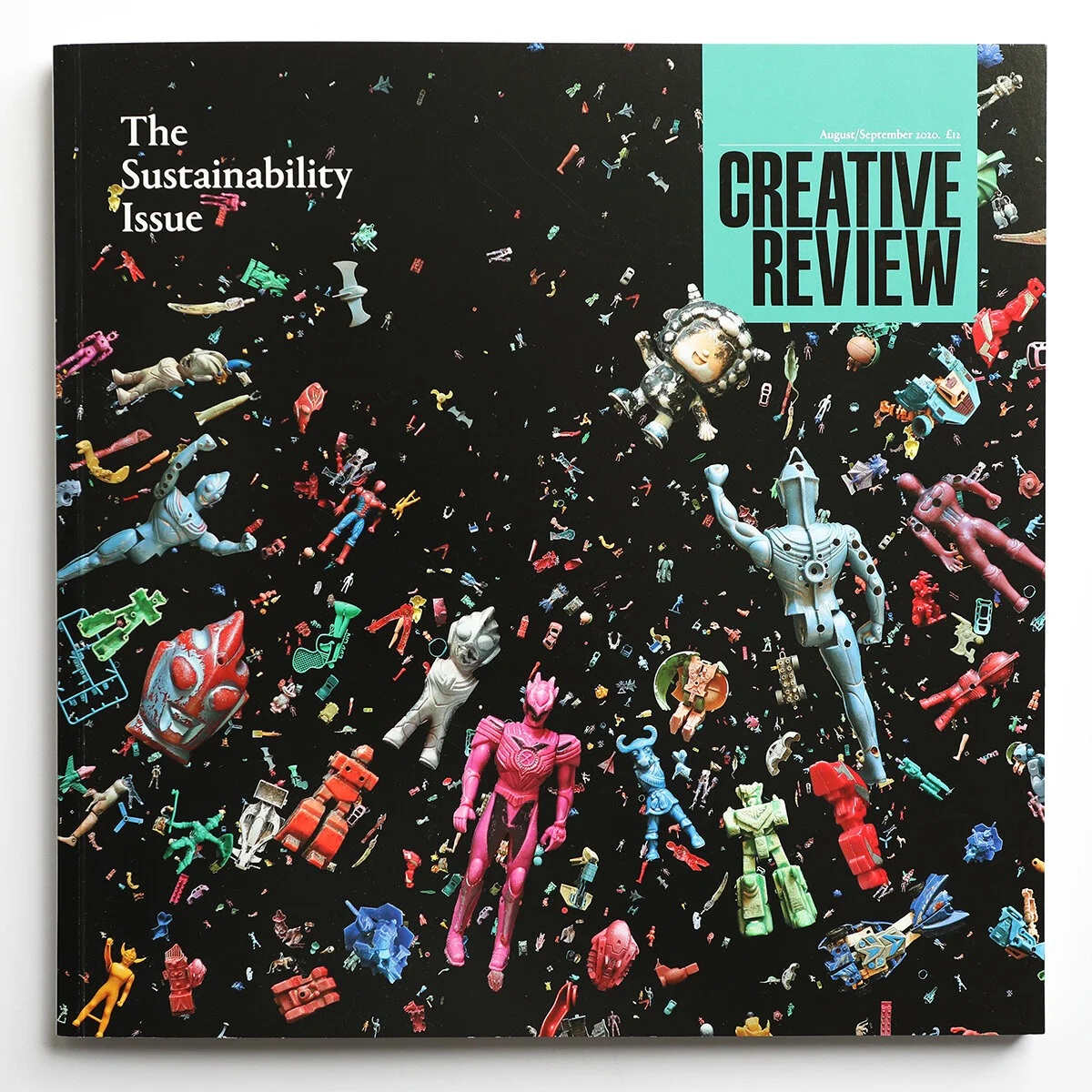
I was so pleased to be featured as ‘Blog of the Month’ in the January 2017 issue of Creativity magazine!
Creativity is a monthly magazine packed with inspiring projects that use a range of techniques from paper crafting and sewing to fabric printing. It’s perfect for creative people who are looking for a bit of encouragement to try new crafts or learn new skills!
I caught up with Creativity magazine just before Christmas and the January issue features a little Q&A where we talk photography, crafts and blog life. You can read the original article over on my ‘features’ page here! For a quick look at the Q&A keep scrolling…
Blog of the Month!
Chloe Mullaney’s self-titled blog is a beautiful and (surprisingly) calming insight into the lifestyle of a crafter. With fresh photography, pretty projects and contemporary inspiration, it’s easy to get distracted scrolling through the dreamy pages. We caught up with Chloe to chat about style, photography and patience.
Your wonderful photography is the first thing we noticed about your blog: have you always had a photographic eye?
I’ve always been interested in photography and am drawn to the atmospheric and inspiring photos you find in magazines and on Pinterest I find that the ideas for my set-ups come quite easily but it’s taken a lot of practice!
How would you describe your crafting style?
I’m not a perfectionist by any means but I do believe that if a job’s worth doing it’s worth doing well. I like to take my time to learn new techniques and get them right. Slow and steady wins the race!
Are there any types of craft that you’ve not yet tried but are keen to?
Oh so many! To list a few: block printing, lino cutting, screen printing, tie dying. I also have a real yearning to try pottery!
What can we expect from you in the near future?
More DIY tutorials – particularly lifestyle and home decor projects! I think it’s really empowering to be able to create something like a cushion cover yourself.

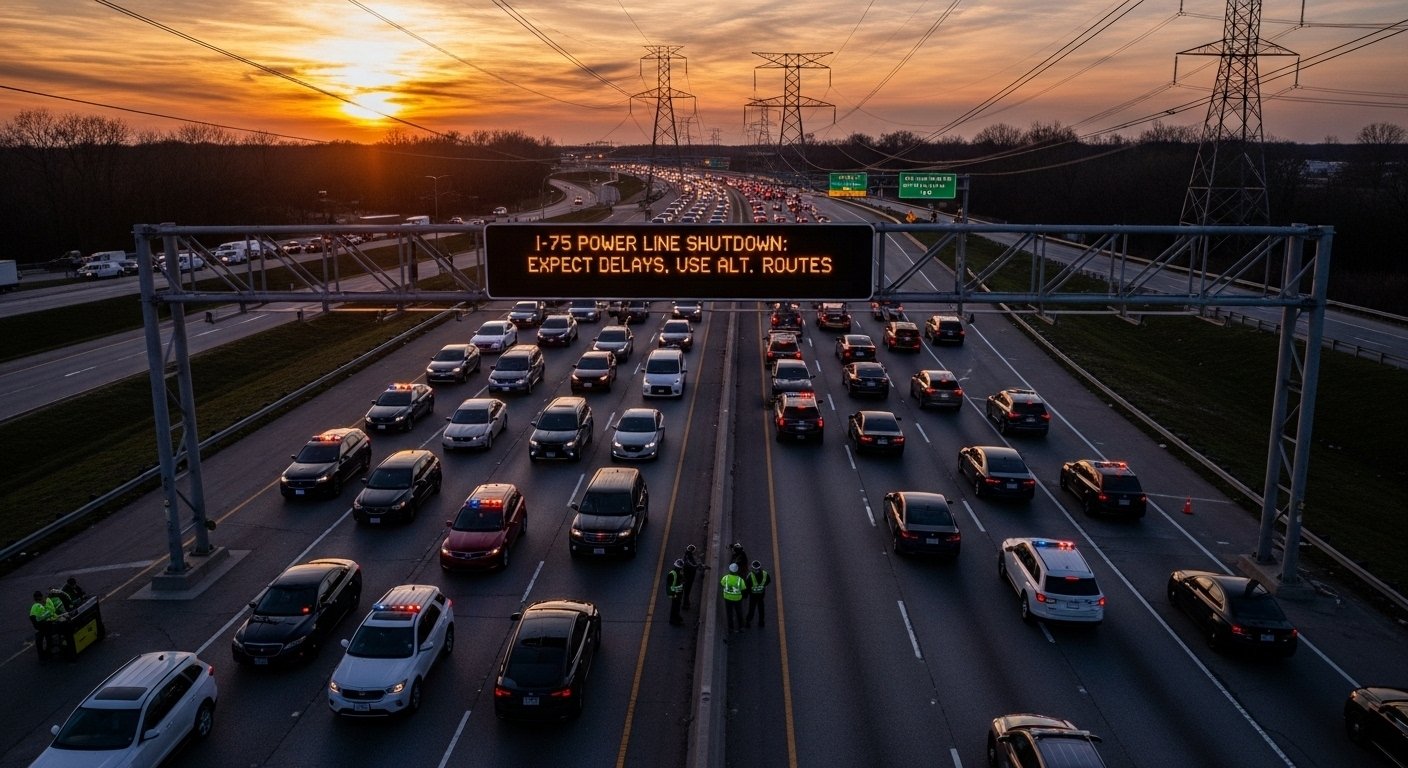
The I-75 corridor is a vital artery for drivers traversing the heart of our region. However, recent events have thrown a wrench in the flow of daily commutes and long-haul journeys alike. The power line shutdown incident has not only disrupted traffic patterns but has also raised concerns about safety and preparedness on the roadways.
As we dive into this significant event, we’ll explore its impact on traffic conditions, share essential safety tips for drivers navigating these challenges, and keep you updated with real-time information regarding closures. With fluctuating weather conditions adding another layer to this situation, understanding how they affect travel becomes crucial.
Stay tuned as we highlight popular news coverage surrounding the I-75 power line shutdown and reactions from both authorities and everyday travelers. This comprehensive look will equip you with everything you need to know during these unpredictable times on one of America’s busiest highways.
I-75 Power Line Shutdown Incident
The I-75 power line shutdown incident has taken many by surprise. Drivers found themselves caught in an unexpected web of delays and detours, as authorities scrambled to address the situation safely. The cause of the shutdown remains under investigation, leaving commuters anxious for answers.
Traffic quickly backed up along this major route, affecting both local and long-distance travelers. Many were left frustrated, trying to navigate alternative routes while keeping an eye on their arrival times. It’s a stark reminder of how dependent we are on reliable infrastructure.
You Might Also Like: FEATURED IN CREATIVITY MAGAZINE
Local agencies stepped in promptly to manage the fallout from this disruption. Emergency crews worked tirelessly to ensure safety and restore normal operations as swiftly as possible. However, challenges persisted—especially during peak travel hours when congestion reached its highest levels.
For those who rely heavily on I-75 for daily commutes or essential deliveries, uncertainty loomed large during this period of upheaval. Understanding what led to such a significant event is crucial for future preparedness and resilience on our roadways.
Impact on Traffic
The I-75 power line shutdown has significantly disrupted traffic patterns in the area. Commuters and travelers alike have faced unexpected delays, with many routes becoming choked due to detours. The sudden nature of the incident caught drivers off guard, leading to frustration and confusion.
Local authorities have reported increased congestion at major intersections as vehicles reroute. Traffic lights that are not designed for heavy loads now struggle under the pressure of diverted cars. This can exacerbate wait times, creating a ripple effect throughout nearby neighborhoods.
Public transportation options are also feeling the strain. Buses running along affected corridors face longer travel times, affecting schedules and service reliability. Passengers relying on these services must now plan accordingly.
As commuters adapt to ongoing changes in traffic flow, patience is crucial. Understanding alternate routes can help alleviate some stress during this challenging time on I-75.
Safety Tips for Drivers
When driving near the I-75 area affected by the power line shutdown, maintaining awareness is crucial. Stay alert for any signs indicating road closures or diversions. Keep an eye on traffic signals and be prepared for sudden stops or changes in direction.
Reduce your speed as you approach congested areas. Slower speeds allow for better reaction times and can help prevent accidents. Use your turn signals to indicate lane changes clearly, ensuring other drivers are aware of your intentions.
Stay focused on the road ahead. Avoid distractions such as mobile devices or loud music that could take your attention away from navigating through heavy traffic conditions.
If you’re caught in a jam due to the incident, practice patience and courtesy towards fellow drivers. Aggressive behavior won’t improve the situation; instead, it may escalate tensions on the road during these challenging circumstances.
Current Updates and Closure Status
The I-75 power line shutdown has been a significant disruption for commuters and travelers alike. As of the latest reports, authorities are working diligently to restore services and clear any remaining hazards from the area.
Traffic has been rerouted through alternative routes, but delays remain common due to increased volumes. Motorists should be prepared for unexpected slowdowns as crews continue their work on-site.
Updates regarding lane closures are being issued regularly via local news outlets and traffic apps. It’s advisable to stay informed before heading out, especially during peak travel hours.
Officials have emphasized that safety remains the top priority in this situation. They encourage drivers to remain patient while navigating detours and be alert for road signs indicating changes ahead.
Safety Measures Implemented
Authorities have acted swiftly to ensure the safety of drivers following the I-75 power line shutdown incident. They’ve deployed additional road signs and traffic cones to guide vehicles through affected areas. Brightly colored barriers also help delineate safe zones from hazardous sections.
Emergency response teams are on standby, ready to assist in case of any incidents or breakdowns along the route. Their presence provides peace of mind for motorists who may feel anxious navigating these altered conditions.
Law enforcement has increased patrols to monitor traffic flow and maintain order. Officers are actively directing vehicles where necessary, reducing confusion at critical junctions near the shutdown area.
Public announcements via social media and local news keep drivers informed about real-time developments. This proactive communication helps travelers make better decisions while traversing impacted stretches of I-75, ultimately enhancing overall safety during this disruption.
Weather Conditions and Impact
Weather conditions play a crucial role in the I-75 power line shutdown incident. Heavy rain and winds were reported in the area during the time of the outage, contributing to complications on the road. Poor visibility made driving hazardous for many commuters.
Additionally, storms can exacerbate traffic issues by causing accidents or creating debris on highways. Motorists faced delays as crews worked to clear fallen branches and restore power lines. This added layer of difficulty heightened stress levels for those trying to navigate their daily routes.
Cold temperatures also posed challenges, making repairs more complicated than usual. Workers had to contend with icy surfaces while ensuring safety protocols remained in place. The weather not only affected response times but also raised concerns about further outages.
Drivers are advised to stay updated on current conditions and potential hazards before embarking on journeys near I-75. Being prepared can make all the difference when navigating these unpredictable elements during such incidents.
Popular News Coverage and Reactions
The I-75 power line shutdown has captured significant media attention, with various outlets providing updates and analyses. News agencies have reported on the incident’s immediate fallout, including traffic disruptions and safety concerns. Social media platforms are buzzing with reactions from commuters who faced unexpected delays.
Many drivers took to Twitter and Facebook to share their experiences, expressing frustration over long waits and detours. Some posted images of the scene, highlighting how widespread the impact was across multiple lanes. Local news stations have featured interviews with officials discussing response efforts.
Public sentiment seems mixed; while some appreciate timely alerts about closures, others feel that more could be done for better communication during such events. The situation serves as a reminder of how interconnected our infrastructure is and how incidents like this can ripple through communities.
As updates continue to unfold regarding recovery efforts and restoration timelines, it’s clear that public interest remains high in understanding both the cause of this disruption and its implications for future travel along I-75.

Claude Edward Elkins Jr. is a name that resonates with strength, determination, and leadership. His remarkable journey from humble beginnings to becoming a notable figure in the railroad industry serves as an inspiration for many. Throughout his life, he has exemplified resilience and integrity—a true embodiment of what it means to lead.
In this blog post, we’ll explore the key milestones of Claude’s life: his early years filled with lessons that shaped him into a leader; his military service where discipline played a crucial role; and how he navigated challenges throughout his career. From impactful contributions to community values, Claude’s story teaches us valuable lessons about perseverance and purpose. Join us as we delve deeper into the incredible legacy of Claude Edward Elkins Jr., uncovering insights that can inspire anyone on their own journey.
Early Life and Education: Fundamentals of a Future Leader
Claude Edward Elkins Jr. was born into a family that valued hard work and education. Growing up in a nurturing environment, he learned the importance of discipline early on. His parents instilled strong values, teaching him to strive for excellence in everything he pursued.
As a student, Claude showed great promise. He embraced learning with enthusiasm and developed critical thinking skills that would serve him well throughout his life. His teachers recognized his potential and encouraged him to take on leadership roles within school activities.
You Might Also Like: Fascisterne in Focus
Participating in various clubs and organizations helped shape Claude’s character, fostering teamwork and effective communication. These formative experiences laid the groundwork for what would become an impressive career marked by resilience, vision, and unwavering commitment to others.
Military Service: Discipline, Duty, and Leadership
Claude Edward Elkins Jr.’s military service was a pivotal chapter in his life. It instilled a sense of discipline that shaped him into the leader he would become. The rigors of training and the demands of service taught him the value of commitment.
Duty became second nature to him during this time. Each task, no matter how small, was approached with diligence and seriousness. This unwavering dedication laid the groundwork for his future endeavors.
Leadership emerged as a natural extension of his experiences in uniform. He learned to inspire trust among peers while making tough decisions under pressure. These lessons transcended military life, influencing every aspect of his career later on.
Career Beginnings and Progression
Claude Edward Elkins Jr. embarked on his career with an unwavering determination that set him apart early on. He entered the workforce eager to learn, absorbing knowledge and skills like a sponge. This foundational period was crucial for shaping his professional ethos.
As he navigated various roles, Claude’s adaptability shone through. He quickly recognized opportunities for growth within the organizations he joined. His commitment to excellence laid the groundwork for future advancements.
With each new challenge, Claude demonstrated remarkable resilience and strategic thinking. Whether in small teams or larger corporate environments, he built a reputation as a reliable contributor who consistently delivered results while inspiring those around him.
Leadership Philosophy and Style
Claude Edward Elkins Jr.’s leadership philosophy centers on empowerment and collaboration. He believes that a great leader nurtures talent within their team. By fostering an environment of trust, he encourages individuals to shine.
His style integrates transparency with decisiveness. Elkins communicates openly, ensuring everyone understands the vision while maintaining clear direction. This approach builds strong relationships grounded in mutual respect.
Elkins is not afraid to embrace change or challenge the status quo. He adapts his strategies based on circumstances, demonstrating flexibility without losing sight of core values. His ability to blend confidence and humility sets him apart as a truly effective leader in any setting.
Contributions to the Railroad Industry
Claude Edward Elkins Jr.’s impact on the railroad industry is both significant and lasting. His innovative approach to operations streamlined processes, boosting efficiency across multiple rail lines. By embracing technology, he set new standards that others would follow.
Elkins championed safety initiatives that transformed workplace culture within the industry. He understood that a safe environment fosters productivity and morale among workers. His commitment led to fewer accidents and improved conditions for employees.
Additionally, his advocacy for sustainable practices revolutionized how railroads approached environmental responsibility. Through strategic partnerships and investments in greener technologies, he helped shift the industry’s focus toward sustainability without compromising performance or profitability.
Navigating Challenges with Resilience
Throughout his life, Claude Edward Elkins Jr. faced numerous challenges that tested his resolve. Each obstacle was a stepping stone rather than a setback. He approached difficulties with a mindset rooted in resilience and determination.
Elkins understood the importance of adaptability. When plans derailed, he pivoted swiftly, often turning adversity into opportunity. This ability to embrace change became one of his defining traits.
Moreover, he inspired those around him by demonstrating that challenges are not just hurdles but also chances for growth. His journey serves as a reminder that facing struggles head-on can lead to greater strength and wisdom in both personal and professional realms.
Community Involvement and Values
Claude Edward Elkins Jr. embodies the spirit of community involvement. His commitment goes beyond personal achievements; he actively fosters growth in those around him. By engaging with local organizations, he promotes unity and collaboration.
Elkins believes that strong communities are built on shared values. He emphasizes integrity, respect, and empathy in all his endeavors. These principles guide his interactions and shape a positive environment for everyone involved.
Through mentorship programs and volunteer opportunities, Claude empowers individuals to reach their full potential. His dedication is evident in every project he undertakes, leaving a lasting impact on the lives of many. This passion for service highlights his belief that true leadership extends beyond professional success.
Legacy and Inspiration
Claude Edward Elkins Jr. embodies a legacy of integrity and perseverance. His journey inspires countless individuals striving for excellence in their own lives. Through his work, he has shown that determination can overcome obstacles.
Elkins’ influence extends beyond the railroad industry; it resonates within communities as well. He encouraged others to lead with compassion and focus on service, making a lasting impact on those around him.
Many look up to his example, finding motivation in his relentless pursuit of progress and growth. The values he instilled continue to guide future generations, reminding them that true leadership is rooted in humility and responsibility toward others.
Frequently Asked Questions (FAQs)
When exploring the life of Claude Edward Elkins Jr., various questions often arise. Here are some common inquiries and their answers.
What inspired Claude Edward Elkins Jr. to pursue leadership roles?
His early experiences and education instilled in him a strong foundation for leadership, fueling his ambition.
How did military service shape his career?
The discipline learned during his time in the military played a crucial role in developing his work ethic and sense of duty.
What contributions did he make to the railroad industry?
Claude was instrumental in implementing innovative practices that improved efficiency and safety across operations.
How does he approach challenges?
Resilience is key; he faced obstacles head-on, viewing them as opportunities for growth rather than setbacks.
Is community involvement important to him?
Absolutely! He believes giving back is essential for uplifting communities and fostering connections.
What legacy does he leave behind?
Elkins’s journey continues to inspire future leaders through dedication, innovation, and unwavering commitment.

The term “fascisterne” often evokes images of oppressive regimes and dark chapters in history. But what does it really mean, and how has it shaped our world? In today’s hyper-connected society, the media plays a crucial role in framing perceptions of fascism. From historical narratives to contemporary political discussions, understanding the influence of media on public opinion is vital. As we explore the layers behind fascisterne, we’ll uncover its roots and examine its lasting impact on modern politics and society at large. Join us as we delve into this complex topic and unveil lessons that resonate even today.
Media has always been a powerful tool in shaping public perception, especially regarding ideologies like fascisterne. Through selective reporting and framing, the media can amplify narratives that either demonize or romanticize these movements.
In an age where information spreads rapidly, understanding how media influences opinions is crucial. News outlets have the power to highlight specific events while downplaying others, creating skewed perceptions of reality. This dynamic plays a significant role in how societies view fascism and its proponents today.
Defining Fascisterne
Fascisterne represents a radical political ideology characterized by authoritarianism, nationalism, and the suppression of dissent. This term encapsulates movements that prioritize state power over individual liberties, often glorifying militarism while demonizing perceived enemies.
Historically linked to early 20th-century regimes in Europe, fascisterne has evolved into various forms. The core tenets focus on unity through strength and an unwavering belief in the superiority of one’s nation or race. Understanding this concept is crucial for analyzing its implications throughout history and today.
Etymology and Meaning
The term “fascisterne” finds its roots in the Italian word “fascio,” meaning bundle or group. This etymology reflects a collective identity, symbolizing unity among those who adhere to this ideology.
As it evolved, fascisterne came to represent an authoritarian political movement characterized by extreme nationalism and dictatorial power. It emphasizes loyalty to the state above all else, often suppressing dissent and promoting a singular narrative that aligns with its core beliefs.
Historical Emergence
Fascisterne emerged in the early 20th century, a product of social unrest and economic turmoil. The aftermath of World War I created fertile ground for radical ideologies, as nations grappled with disillusionment and instability.
In Italy, Benito Mussolini harnessed this chaos, establishing the first fascist regime in 1922. This movement quickly spread across Europe, resonating with those seeking strong leadership amidst uncertainty. Fascisterne’s rise was marked by propaganda and suppression of dissent, shaping political landscapes that would alter history forever.
Core Ideology of Fascisterne
Fascisterne is built on a foundation of extreme nationalism and authoritarianism. It often emphasizes the supremacy of a particular race or nation, promoting unity through exclusionary tactics.
This ideology seeks to suppress dissent and control various aspects of society, including culture, education, and economics. By glorifying the state over individual rights, fascisterne cultivates an environment where loyalty is paramount and critical thought is discouraged. This creates fertile ground for manipulation and propaganda to thrive.
Tactics & Mechanisms of Power
Fascisterne utilize a range of tactics to consolidate and maintain power. They rely heavily on propaganda, manipulating information to create a narrative that fosters fear and loyalty among the public. This manipulation often targets minority groups, painting them as threats.
Additionally, fascisterne employ intimidation and violence through paramilitary organizations. These tactics suppress dissent and instill fear in opposition movements. By controlling both media narratives and physical force, they create an atmosphere where their authority goes largely unchallenged.
Consequences of Fascisterne Rule
The consequences of fascisterne rule are profound and long-lasting. Societies often experience increased polarization, leading to civil unrest and division among communities. Freedoms are curtailed, with dissenting voices silenced through censorship or violence.
Economically, the emphasis on militarization diverts resources from social programs. This can result in poverty and inequality as the state prioritizes its agenda over citizens’ needs. The emotional toll on individuals is significant, fostering fear that stifles creativity and innovation within a culture constrained by oppression.
Fascisterne Echoes in Modern Politics
The echoes of fascisterne resonate in today’s political discourse. The rise of populism and authoritarian practices worldwide reflects a troubling familiarity with past ideologies. Nationalism often takes center stage, as leaders exploit fear to garner support.
Social media amplifies these sentiments, allowing divisive rhetoric to spread rapidly. As misinformation thrives, the lines between truth and propaganda blur. Citizens are left grappling with increasingly polarized narratives that harken back to historical fascist movements, raising alarm bells for democracies around the globe.
Significance of Studying Fascisterne Today
Studying fascisterne today is crucial as it helps us understand the patterns of authoritarianism. By analyzing past movements, we can identify warning signs that may re-emerge in contemporary society.
Moreover, this knowledge empowers individuals and communities to recognize manipulative tactics used by extremists. Awareness fosters resilience against divisive ideologies. As history often repeats itself, learning about fascisterne equips us with the tools needed to safeguard democracy and human rights for future generations.
Lessons from History in Preventing Fascism’s Return
History teaches us the importance of vigilance. Societies must recognize early warning signs, such as scapegoating and xenophobia. These patterns can evolve quickly into more significant threats.
Education plays a crucial role in combating fascist ideologies. A well-informed populace is less susceptible to manipulation. Encouraging open dialogue fosters understanding and resilience against divisive narratives, ensuring that history does not repeat itself.
Media’s Role in Fascisterne
Media has always been a powerful tool for fascisterne. It shapes narratives, influences public opinion, and can either promote or challenge authoritarian ideologies. Through propaganda, the media amplifies specific messages that align with fascist agendas, creating an echo chamber of support.
Additionally, state-controlled media often silences dissenting voices. This control ensures that only approved perspectives reach the masses, leading to a manipulated perception of reality. Understanding this dynamic is crucial in recognizing how information can be weaponized in the pursuit of power.
Media Integrity & Counter-Narratives
Media integrity is crucial in countering the narratives promoted by fascisterne. Reliable journalism fosters transparency and accountability, challenging misinformation that can fuel extremist ideologies. An informed public is less susceptible to manipulation.
Counter-narratives are essential tools in this struggle. By presenting alternative viewpoints and highlighting diverse voices, they disrupt the monolithic stories often propagated by authoritarian regimes. This diversity of thought empowers individuals to question agendas and encourages a more holistic understanding of complex issues surrounding fascism’s impact on society.
International Accountability & Human Rights Architecture
The rise of fascisterne has had lasting effects that resonate today. The international community must prioritize accountability to combat these dangerous ideologies. Robust human rights architecture is essential in this endeavor.
Countries should collaborate to create frameworks that promote justice and equality, addressing grievances before they escalate into violence or oppression. By fostering transparency and upholding democratic values, we can create a united front against the resurgence of fascism.
Media plays a vital role here by exposing injustices and amplifying marginalized voices. This vigilance helps maintain awareness about the tactics used by fascisterne.
Through education and proactive engagement, society can build resilience against extremist narratives. With collective action, we can safeguard our future from repeating history’s darkest chapters.
-

 Blog1 month ago
Discovering Eporer: The Ultimate Guide to a Revolutionary Blogging Platform
-

 News2 months ago
Fascisterne in Focus: The Role of Media in Shaping Public Perception
-

 Finance2 months ago
Crypto30x.com Ocean: Revolutionizing the Cryptocurrency Trading Experience
-

 Others2 months ago
HOW TO MAKE: A HEATED EYE MASK [DIY TUTORIAL]
-

 Blog2 months ago
The Evolution of Laaster: How This Tradition Has Changed Over Time
-

 Technology2 months ago
Kibard – Exploring the Brand, Design Philosophy & Modern Appeal
-

 Lifestyle2 months ago
Lufanest: Ultimate Platform for Smart Home and Lifestyle Solutions
-

 Food2 months ago
Exploring Prosecchini: A Sweet Journey Through Italy’s Culinary Delights