
Food
The Art of Making Soutaipasu: Tips and Techniques for a Perfect Dish

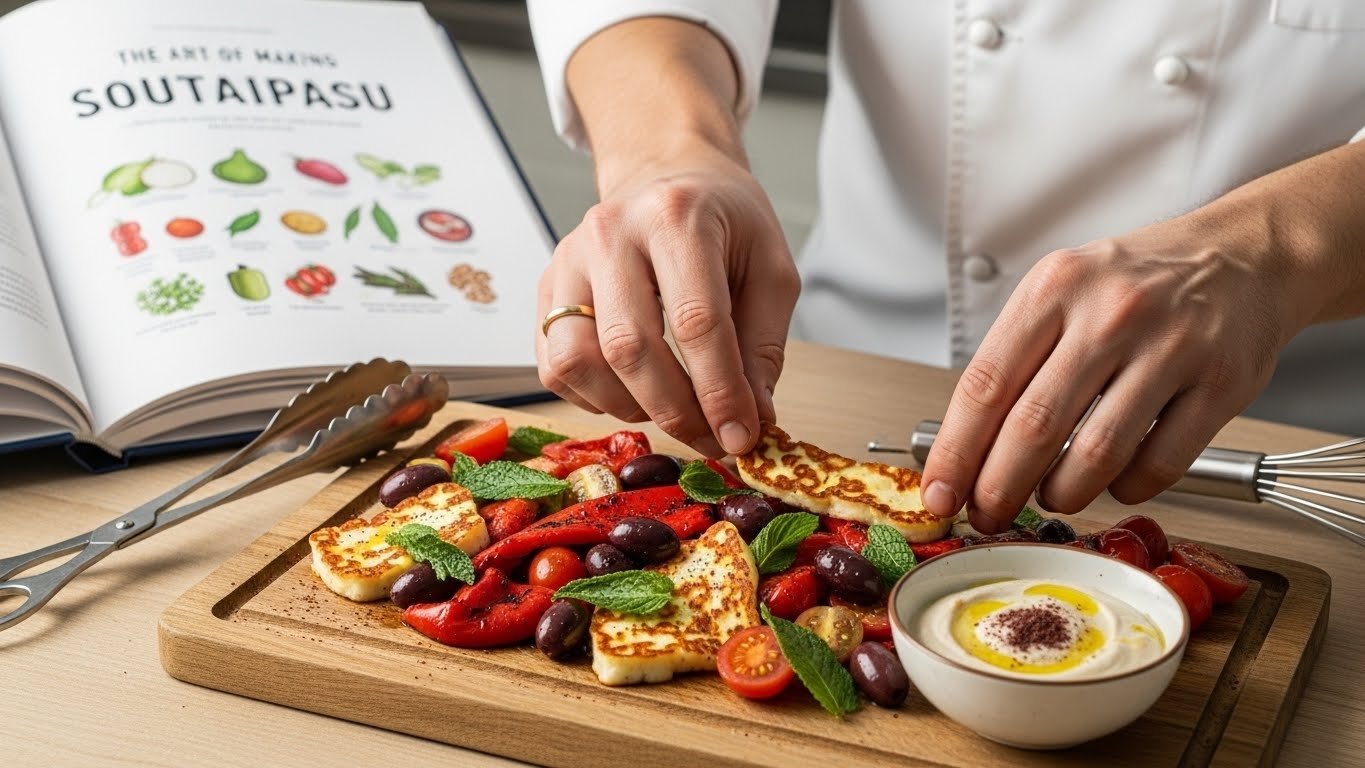
Soutaipasu is not just a dish; it’s a culinary experience that tells stories of tradition and culture. This delightful creation, often associated with Japan’s rich gastronomic history, brings together flavors and textures that dance on the palate. Many people may be unfamiliar with soutaipasu, but those who have savored it know it’s a gem worth discovering.
Imagine sitting down to enjoy this unique dish—each bite revealing layers of flavor influenced by time-honored recipes passed down through generations. Whether you’re an adventurous eater or someone who simply appreciates good food, learning how to make soutaipasu opens up a world of culinary exploration.
In this post, we’ll unravel the significance and origins of soutaipasu while sharing tips for crafting your own perfect version at home. Get ready to immerse yourself in the art of making soutaipasu!
Creating the perfect soutaipasu requires attention to detail and a bit of practice. Start with high-quality ingredients, as they will define your dish’s flavor. Fresh vegetables, tender meats, and flavorful seasonings are essential for an authentic experience.
You Might Also Like: The Art of Ceıvır
When cooking soutaipasu, mastering the balance of flavors is key. Use techniques like sautéing and simmering to build depth in your dish. Don’t rush the process; allowing time for the ingredients to meld together enhances their natural tastes.
Presentation matters too! Serve your soutaipasu in traditional bowls or plates that showcase its vibrant colors. Garnish with fresh herbs or a drizzle of sauce for an appealing finish. This not only elevates the dining experience but also pays homage to its artistic roots in Japanese cuisine.
Introduction to Soutaipasu: Significance and Origins
Soutaipasu is a traditional dish with deep roots in Japanese cuisine, celebrated for its unique flavors and textures. Hailing from regions rich in culinary traditions, it embodies the essence of local ingredients and cooking techniques. This dish reflects the creativity and resourcefulness of Japanese cooks throughout history.
The word “soutaipasu” signifies more than just food; it represents cultural heritage. Each bite tells a story, connecting generations through shared meals and experiences. In Japan, preparing soutaipasu is often seen as an art form that requires skill and passion.
Historically, this dish has evolved over time but continues to hold a special place at family gatherings and festivals. Its importance transcends mere sustenance, offering comfort and joy to those who enjoy it while fostering connections among loved ones.
The Ingredients and Health Benefits of Soutaipasu
Soutaipasu is a delightful dish that features a unique blend of ingredients, making it both flavorful and nutritious. At its core, this dish often includes fresh fish or seafood, rice, and an assortment of vibrant vegetables. The harmonious combination brings out the best in each ingredient while celebrating Japan’s rich culinary heritage.
The health benefits of soutaipasu are noteworthy. Packed with omega-3 fatty acids from the fish and essential vitamins from the vegetables, this dish supports heart health and boosts immunity. Additionally, complex carbohydrates from rice provide energy without causing spikes in blood sugar levels.
Moreover, soutaipasu can be customized to accommodate various dietary preferences. Whether you prefer plant-based options or lean proteins, there’s room for creativity without sacrificing taste or nutrition. Enjoying soutaipasu means indulging in flavors that nourish both body and soul.
Exploring Different Variations and Preparation Methods
Soutaipasu offers a delightful canvas for culinary creativity. Traditional variations often incorporate seasonal vegetables, seafood, or even meats, allowing each region in Japan to showcase its unique flavors. For example, some chefs infuse their soutaipasu with fresh herbs like cilantro or shiso for an aromatic twist.
Preparation methods can vary widely as well. While many prefer the classic steaming technique to retain moisture and flavor, others experiment with grilling or sautéing. Each method brings out different textures and tastes that appeal to diverse palates.
Additionally, garnishes play a crucial role in presentation and taste enhancement. From sesame seeds to finely chopped scallions, these toppings add depth and visual appeal to your dish. This versatility is what makes soutaipasu such a beloved staple in Japanese cuisine.
Tips for Cooking Soutaipasu at Home
Cooking soutaipasu at home can be a delightful experience. Start by sourcing high-quality ingredients, as freshness plays a crucial role in flavor. Look for ripe vegetables and premium meats to elevate your dish.
When preparing the broth, simmer it slowly to extract maximum flavor. Don’t rush this process; let all the ingredients meld together beautifully. A mix of herbs and spices can add depth, so experiment with your favorites.
Pay attention to cooking times for each ingredient. Overcooking can lead to mushy textures that detract from the overall experience. Keep tasting throughout the process—adjust seasonings as needed for a well-balanced finale that highlights the essence of soutaipasu.
Where to Find Authentic Soutaipasu Restaurants in Japan
If you’re eager to experience authentic soutaipasu, Japan is brimming with restaurants that specialize in this unique dish. Major cities like Tokyo and Osaka boast eateries where chefs masterfully prepare soutaipasu using traditional recipes. In these bustling urban centers, look for places tucked away in alleys that promise an intimate dining experience.
In regional areas such as Fukuoka and Nagasaki, you’ll find hidden gems serving their own takes on soutaipasu. Many of these establishments pride themselves on sourcing local ingredients, providing a taste of the area’s culinary heritage.
Don’t forget to explore food markets and street vendors too. These spots often serve up delicious versions of soutaipasu that capture the essence of local flavors while offering a casual dining atmosphere perfect for food lovers seeking authenticity.
Preserving the Art of Soutaipasu: Challenges and Efforts
The traditional craft of making soutaipasu faces numerous challenges in today’s fast-paced world. With globalization and the rise of convenience foods, many young chefs opt for quicker, less intricate dishes. This shift threatens the artisanal methods passed down through generations.
Efforts are underway to preserve this culinary art form. Workshops and classes focused on teaching authentic techniques are gaining popularity. These initiatives aim to spark interest among younger cooks who wish to learn about their cultural heritage.
Additionally, local festivals often celebrate soutaipasu, showcasing its rich history and importance in Japanese cuisine. These events not only promote awareness but also encourage community engagement around this beloved dish. Ensuring that soutaipasu remains a cherished part of culinary culture requires dedication from both enthusiasts and professionals alike.
Conclusion Importance of Soutaipasu in Culinary Culture
Soutaipasu holds a unique place in the culinary culture of Japan. This dish is not just about taste; it’s a representation of tradition, history, and community. With its origins rooted deeply in Japanese cuisine, soutaipasu reflects local ingredients and cooking techniques passed down through generations.
Its significance extends beyond mere nourishment. Sharing a plate of soutaipasu often brings people together, fostering connections among family and friends. As more chefs embrace innovation while respecting tradition, they keep this dish vibrant and relevant for future generations.
The art of making soutaipasu encourages creativity in the kitchen while honoring the past. By understanding its nuances—its flavors, textures, and preparation methods—we contribute to preserving this essential part of cultural heritage.
Embracing soutaipasu means celebrating diversity within Japanese cuisine as well as appreciating the skill involved in mastering it. Whether you make it at home or enjoy it at an authentic restaurant, each experience with this dish enriches our culinary landscape significantly.

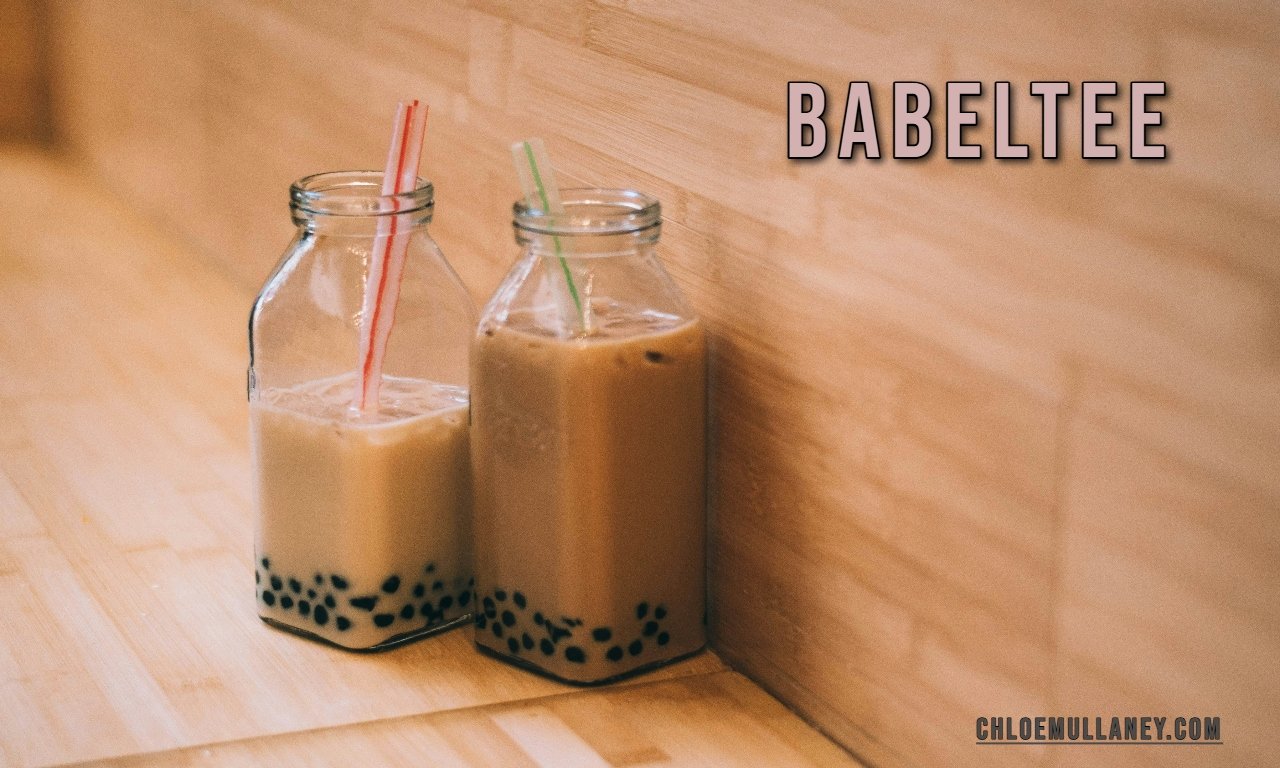
The world has fallen head over heels for a delightful drink that’s more than just a beverage; it’s an experience. Enter Babeltee, the latest sensation blending flavors and cultures in every sip. This bubble tea phenomenon is not confined to its Taiwanese roots anymore—it has transcended borders and brought people together through its unique taste and texture. As we dive into the captivating journey of Babeltee, you’ll discover how this trendy drink is shaping social interactions and redefining our cultural landscapes across continents. Get ready to explore the vibrant universe of Babeltee!
Babeltee is not just a drink; it’s a global movement. Originating from the beloved bubble tea, this trend has captured hearts worldwide, showcasing an array of flavors and textures. Social media buzz fuels its popularity, inviting enthusiasts to share colorful creations. From cozy cafes in New York to bustling streets in Tokyo, Babeltee knows no boundaries.
You Might Also Like: The Art of Ceıvır
Babeltee is the vibrant, modern twist on traditional bubble tea that’s captivating taste buds worldwide. This trendy beverage blends chewy tapioca pearls with a variety of flavors and toppings, creating an enticing experience for drinkers. With its colorful presentation and customizable nature, babeltee embodies a fun social culture that appeals to diverse audiences across continents.
Variants of Babeltee
Babeltee comes in an exciting range of flavors and styles. From classic milk tea with chewy tapioca pearls to fruity infusions, the options are endless. You can find variations like matcha or taro, blended with unique toppings such as jelly cubes or popping boba. Each variant invites adventure and personal taste preferences, making every sip a delightful experience.
Originating countries: Taiwan, Hong Kong, Mainland China, etc.
Babeltee has roots in several vibrant cultures. It began in Taiwan, where bubble tea first captured hearts with its chewy tapioca pearls. Hong Kong soon embraced this trend, adding unique flavors and styles. Mainland China followed closely, innovating further with fresh ingredients. Each region contributes to the rich tapestry that makes Babeltee a global sensation today.
History
The history of babeltee is rich and varied. It began in Taiwan during the 1980s, combining tea with sweet toppings like tapioca pearls. This innovative fusion quickly spread to Hong Kong and Mainland China, captivating taste buds worldwide. As cultures shared their unique twists, babeltee evolved into a global phenomenon that transcends borders and generations.
Evolution of tea culture meeting technology
The intersection of tea culture and technology has transformed how people experience beverages. Smart brewing devices allow for precise temperature control, while apps help users customize flavors and ingredients. Social media platforms have propelled bubble tea’s popularity, creating communities that share recipes and trends instantly. This fusion fosters creativity, making each cup a unique blend of tradition and innovation.
Cultural influence and symbolism of Babeltee
Babeltee transcends mere refreshment; it embodies cultural fusion. Each colorful layer and flavor represents a blend of traditions, bridging gaps across continents. From Taiwan’s street corners to international cafes, its popularity highlights community and connection. This drink symbolizes the global embrace of diversity, inviting everyone to share in its joyous experience, regardless of language or background.
Popularity
Babeltee’s popularity is skyrocketing, with social media influencers showcasing vibrant creations. The unique flavors attract younger audiences eager for new experiences. In 2024-2025, this trend is expected to flourish even more. People share their favorite blends, fostering a community around the love of bubble tea and its innovative twists, making it a staple in cafes worldwide.
Rising trend in 2024-2025
The babeltee trend is gaining momentum as we approach 2024-2025. Innovative flavors and creative presentations are captivating taste buds worldwide. Social media buzz amplifies its appeal, attracting younger audiences eager to explore this unique drink. As pop-up shops and specialized cafes proliferate, the culture surrounding babeltee continues to flourish, promising exciting developments in the years ahead.
Real-world applications and stories
Babeltee has become a cultural phenomenon, inspiring vibrant communities worldwide. From pop-up shops to social media challenges, it fuels creativity and connection. Stories of friends bonding over custom flavors or families sharing recipes highlight its role in daily life. Additionally, influencers share their unique Babeltee experiences, sparking interest and engagement across various platforms.
Ingredients and Innovation
Babeltee is a delightful fusion of flavors and textures. Ingredients like chewy tapioca pearls, fresh fruits, and unique sweeteners create an irresistible experience. Innovations in plant-based options cater to health-conscious consumers. Flavor combinations are endless—think matcha blends or tropical infusions. This playful twist on traditional bubble tea keeps enthusiasts returning for more while exploring new tastes and trends.
What’s inside Babeltee
Babeltee combines a delightful mix of ingredients. At its core, you’ll find brewed tea—often green or black—infused with various flavors. Toppings like chewy tapioca pearls and fruit jellies add texture, while sweeteners enhance the experience. Many also embrace alternative milks for creaminess, catering to diverse dietary preferences and creating an exciting taste sensation that’s truly unique.
Wellness shift compared to traditional bubble tea
Babeltee emphasizes healthier ingredients compared to traditional bubble tea. Many variants use natural sweeteners, organic teas, and alternative milks. This shift caters to health-conscious consumers seeking lower calorie options. As people prioritize wellness, Babeltee adapts by offering nutrient-rich toppings like chia seeds or superfoods. It’s not just a drink; it’s a lifestyle choice reflecting modern dietary trends.
Making Babeltee
Making Babeltee is an exciting adventure. Start with your favorite tea base and add a splash of fruit or milk. Customize it with chewy tapioca pearls, jelly, or fresh fruits. Experimenting allows for personal touches that reflect individual tastes. Sharing recipes across cultures enhances the experience and unites diverse communities through this delightful beverage trend.
DIY methods and personalized creations
Creating your own Babeltee at home is a fun and rewarding experience. Experiment with different flavors, sweeteners, and toppings to craft a drink that suits your taste. Use fresh fruits or herbal infusions for unique twists. The best part? You can adjust the sweetness and texture according to your preference, making each cup truly yours!
Importance of communication and multilingual aspect
Babeltee thrives on its multilingual aspect, reflecting the diverse cultures it embraces. Orders can be customized in various languages, making it accessible to everyone. This inclusivity fosters connections among communities and enhances the overall experience of enjoying bubble tea. Language becomes a bridge that unites people over their shared love for this delightful beverage.
Health Concerns
When it comes to health, babeltee has sparked conversations. Many wonder about its nutritional value compared to traditional bubble tea. Some variants offer lower calories and less sugar, but it’s essential to check ingredients carefully. Caffeine content also varies widely; moderation is key for daily consumption to avoid jitters while still enjoying this delightful drink.
Comparison of health benefits with bubble tea
Babeltee often incorporates healthier ingredients compared to traditional bubble tea. Many versions use natural sweeteners, fresh fruits, and plant-based milk. This shift can lower calorie counts and enhance nutritional value. Moreover, the absence of synthetic additives in some recipes promotes better digestion and overall wellness, making Babeltee a more appealing choice for health-conscious consumers.
Inclusion of caffeine and daily consumption recommendations
Babeltee often includes caffeine, thanks to its tea base. This can provide an energy boost while enjoying your drink. However, moderation is key; it’s best to limit consumption to about 200-400 mg of caffeine per day for adults. Pairing Babeltee with a balanced diet makes it a delightful treat without overwhelming your daily intake.
Cultural Impact
Babeltee transcends mere beverage status. It symbolizes connection and shared experiences across cultures. Social media amplifies its narrative, showcasing diverse flavors and unique presentations. From community gatherings to cultural festivals, Babeltee fosters unity among different societies. Its vibrant colors and playful textures invite exploration, enriching the global tapestry of food culture while celebrating individual identities.
Symbolism of Babeltee
Babeltee represents more than just a drink; it embodies cultural fusion and connectivity. Its colorful layers symbolize diversity, blending traditional flavors with modern twists. Each sip tells a story of global unity, inviting enthusiasts to share experiences across borders. This vibrant beverage fosters community, celebrating both individual tastes and collective joy in the worldwide bubble tea phenomenon.
Meaning in different societies and its applications
Babeltee transcends mere refreshment; it represents community and connection. In various cultures, this drink symbolizes shared experiences and celebrations. From Taiwan to the West, Babeltee serves as a unifying force, often appearing at social gatherings or festivals. Its colorful layers also reflect diversity and creativity in society, showcasing how food can bring people together across different backgrounds.
Final Thoughts
The babeltee phenomenon shows no signs of slowing down. As cultures blend through flavors and creativity, this drink continues to evolve. Its vibrant presence in social spaces highlights a growing appreciation for diverse culinary experiences. Whether you’re sipping it solo or sharing with friends, babeltee is more than a drink—it’s a celebration of connection and innovation worldwide.
Growing market of Babeltee
The babeltee market is expanding rapidly, captivating taste buds worldwide. New shops are opening in urban centers as consumers crave unique flavors and experiences. With innovative offerings like fruit-infused bubbles and customizable toppings, it’s no surprise that this trend continues to flourish. Social media buzz further fuels its popularity, creating a vibrant community around this delightful beverage.
FAQs and common queries among consumers
As the babeltee phenomenon continues to grow, consumers have many questions. Popular queries include its origins, health benefits, and customization options. People often ask how it differs from traditional bubble tea and what flavors are trending.
Another common question revolves around caffeine content and daily consumption recommendations. Many want to know if they can enjoy babeltee guilt-free while maintaining a balanced diet. Additionally, enthusiasts frequently seek tips for creating their own unique blends at home.
Curiosity fuels the expansion of this delightful drink across cultures. As more people discover babeltee’s versatility and charm, it’s clear that this trend is here to stay for years to come.

Ceıvır is more than just a culinary trend; it’s a vibrant cultural phenomenon that’s capturing hearts and taste buds around the world. This unique concept weaves together rich history, health benefits, and regional flavors into an art form that transcends mere cooking. As modern society shifts towards exploring diverse diets and lifestyles, ceıvır stands out as a symbol of creativity and community in the kitchen. Join us on this flavorful journey to uncover how ceıvır influences not only our plates but also our lives in profound ways.
Ceıvır represents a fusion of tradition and innovation, shaping the way we perceive food in contemporary culture. This art form encourages creativity, inviting chefs and home cooks alike to experiment with flavors, textures, and presentation.
As ceıvır gains popularity worldwide, it fosters community connections through shared meals and experiences. The joy of preparing and enjoying ceıvır reflects a collective appreciation for culinary heritage while celebrating modern twists that keep the spirit alive.
Introduction to Ceıvır
Ceıvır is more than just a culinary trend; it’s an evolving concept that celebrates traditional flavors with modern flair. Rooted in cultural history, this dish has gained traction worldwide for its unique taste and versatility.
As food enthusiasts seek authentic experiences, ceıvır stands out as an embodiment of creativity and tradition. With vibrant ingredients and innovative techniques, it captures the essence of various cultures while adapting to contemporary palates.
Unveiling Ceıvır: The Trend Everyone is Talking About
Ceıvır is capturing the culinary world’s imagination. This unique concept blends tradition and innovation, creating a buzz among food enthusiasts everywhere. It’s more than just a dish; it represents a new way of thinking about ingredients and flavors.
You Might Also Like: Cooking with Pravi Celer
As social media amplifies its reach, people are eager to explore ceıvır in their own kitchens. Chefs and home cooks alike are experimenting with this trend, leading to exciting interpretations that honor its rich heritage while embracing modern tastes.
Origins and Cultural Significance of Ceıvır
Ceıvır has deep roots in ancient traditions, primarily associated with communal gatherings and celebrations. This unique concept thrives on the rich tapestry of cultural practices that have been passed down through generations, fostering a sense of belonging.
In various regions, ceıvır not only represents culinary artistry but also embodies social connection. It brings people together around shared meals, emphasizing the importance of community in our increasingly fast-paced world. Its significance continues to evolve while retaining traditional values at its core.
Historical Background of Ceıvır
Ceıvır has deep roots in cultural traditions, particularly within the regions of Turkey and the surrounding areas. With origins tracing back centuries, this unique concept was initially tied to communal gatherings and celebrations where food played a central role.
Over time, ceıvır evolved into an art form that reflects local customs and ingredients. Each region contributes its distinct flavor profiles and preparation methods, making it a vibrant tapestry of culinary heritage cherished by many.
Exploring the Culinary World of Ceıvır
Ceıvır is more than just a dish; it’s a culinary journey. This unique concept blends flavors, techniques, and traditions from various cultures. The essence of ceıvır lies in its versatility, allowing chefs to experiment while staying true to its roots.
With fresh ingredients and traditional methods at the forefront, ceıvır encourages creativity. Each region adds its personal touch, making it an exciting experience for food lovers everywhere. Discovering ceıvır opens up new dimensions in flavor and cultural appreciation in every bite.
The Health Benefits of Ceıvır
Ceıvır is not just a delicious dish; it’s also packed with health benefits. Rich in nutrients, it often features fresh vegetables and lean proteins that support overall well-being. The blend of ingredients can boost immunity and enhance digestion.
Moreover, the unique flavors encourage mindful eating, promoting satisfaction without overeating. As more people become aware of healthy eating habits, ceıvır stands out as an appealing option for those seeking nutritious meals that don’t skimp on taste.
Regional Variations and Cultural Significance
Ceıvır showcases remarkable regional variations that reflect the diversity of cultures across different areas. From the smoky flavors found in rural regions to urban adaptations that incorporate modern ingredients, each version tells a unique story.
Cultural significance runs deep in many communities where ceıvır is not just food but a symbol of tradition and heritage. Celebrations often feature ceıvır, bringing people together around shared recipes passed down through generations, creating bonds and memories that last a lifetime.
Tips for Cooking and Serving Ceıvır
Cooking ceıvır is an art that requires attention to detail. Start with fresh, high-quality ingredients for the best flavor. Marinating meat or vegetables in spices enhances their taste and tenderness. Use a cast iron skillet for even heat distribution while cooking.
When serving ceıvır, presentation matters. Arrange your dish on a vibrant plate and garnish with herbs for color. Pair it with seasonal sides to elevate the experience. Encourage guests to savor each bite; it’s all about enjoying the moment together!
Recipes and Pairing Suggestions
Ceıvır can elevate any meal with its unique flavor profile. Consider pairing it with grilled meats or roasted vegetables for a delightful contrast. A simple marinade of olive oil, garlic, and herbs complements the dish beautifully.
For a refreshing twist, serve ceıvır alongside yogurt-based dips or fresh salads. The creamy texture balances well with the distinct taste of ceıvır. Experimenting with different ingredients will open up new culinary experiences while keeping your meals exciting and vibrant.
Incorporating Ceıvır into Modern Cuisine
Ceıvır is making waves in modern culinary scenes, showcasing its versatility as a main ingredient. Chefs are experimenting with it in innovative ways, turning traditional dishes into contemporary masterpieces. From gourmet burgers to vibrant salads, the possibilities are endless.
Moreover, incorporating ceıvır into fusion cuisine has become trendy. It blends beautifully with flavors from various cultures. This not only enhances the taste but also creates an exciting dining experience that keeps food enthusiasts coming back for more. The excitement surrounding ceıvır continues to grow among food lovers and chefs alike.
Ceıvır in Modern Cooking
Ceıvır is making waves in modern cooking, captivating chefs and home cooks alike. This versatile ingredient can elevate a wide range of dishes, from appetizers to desserts. Its unique flavor profile allows for creativity and experimentation.
Many culinary enthusiasts are now incorporating ceıvır into fusion cuisine. Whether blended into sauces or sprinkled on salads, it adds depth and intrigue to meals. As more people discover its potential, the possibilities for ceıvır in contemporary kitchens continue to expand.
Using Ceıvır as a Main Ingredient
Ceıvır shines when used as a main ingredient in various dishes. Its unique flavor profile adds depth and richness, making it perfect for stews, salads, or even grilled options. You can experiment with different cooking methods to highlight its versatility.
Whether paired with grains or fresh vegetables, ceıvır elevates the overall taste experience. It’s not just about nutrition; it’s about creating memorable meals that leave a lasting impression on your guests. Embrace this culinary gem and transform your dining experience.
Beyond the Kitchen: Ceıvır’s Influence on Culture
Ceıvır transcends culinary boundaries, impacting art, fashion, and lifestyle. Its vibrant colors and textures inspire artists to create unique pieces that reflect the essence of this concept. Galleries feature works that celebrate ceıvır’s cultural roots, blending tradition with modern interpretations.
Moreover, social media platforms buzz with influencers showcasing ceıvır-inspired events and gatherings. These celebrations foster community connections while introducing new audiences to its rich heritage. As a result, ceıvır becomes more than just a dish; it evolves into a cultural phenomenon resonating across generations.
Ceıvır’s Impact on Modern Culture
Ceıvır has transcended its culinary roots, becoming a cultural phenomenon that resonates with diverse communities. Social media platforms are buzzing with creative interpretations, showcasing how this unique concept can weave into everyday life and celebrations.
Artisans and chefs alike are embracing ceıvır as an inspiration for innovation in their work. From artistic presentations to communal gatherings, it fosters connection and exploration within modern culture, inviting everyone to engage in the rich tapestry of flavors and traditions it represents.
Conclusion and Call to Action
Ceıvır is more than just a culinary trend; it’s a vibrant expression of culture and creativity. As you explore its depths, you’ll find endless opportunities to enhance your meals and connect with diverse traditions.
Don’t miss out on the chance to incorporate ceıvır into your kitchen. Experiment with recipes, share them with friends, and embrace this unique concept that bridges history and modern dining experiences. Dive in today and let the flavors inspire you!
Why You Should Try Ceıvır Today
Ceıvır is more than just a dish; it’s an experience that brings people together. By trying ceıvır today, you tap into a rich cultural tapestry and discover flavors that are both unique and comforting.
Exploring this culinary wonder can inspire creativity in your cooking. Whether you’re hosting friends or enjoying a quiet meal, ceıvır adds a touch of excitement to any dining occasion. Don’t miss out on the chance to savor something truly special!
Future Potential of Ceıvır in Contemporary Society
Ceıvır holds immense potential in contemporary society. As food enthusiasts seek unique flavors and experiences, this remarkable concept is poised to become a staple on dining tables worldwide. Its adaptability allows for creative interpretations across various cuisines, making it appealing to both traditionalists and modern chefs alike.
Moreover, with an increasing focus on health-conscious eating, the nutritional benefits of ceıvır are likely to attract those looking for wholesome options. The ongoing exploration of local variations can further enrich culinary diversity. As social media amplifies food trends, expect ceıvır’s popularity to grow rapidly.
In essence, embracing ceıvır could lead not only to delightful meals but also foster cultural exchange and appreciation in our increasingly interconnected world.

Step into the vibrant world of koriandri, where flavor and health collide. This remarkable herb has been a staple in kitchens around the globe for centuries. Known for its unique taste and aromatic properties, koriandri adds depth to countless dishes.
But there’s more to this versatile plant than meets the eye. Beyond its culinary charm, koriandri boasts impressive health benefits that can enhance your well-being. Whether you’re an experienced chef or a curious home cook, discovering how to incorporate koriandri into your meals will elevate your culinary adventures.
Join us as we explore everything from the origins of koriandri to its nutritional power and delicious recipes that celebrate this wonderful herb.
You Might Also Like: Foenegriek
Koriandri transforms dishes with its fresh, citrusy flavor. It enhances salsas, curries, and salads, making every bite a delightful experience. Discover the endless culinary possibilities this herb offers in your kitchen.
Coriander
Coriander, a fragrant herb with delicate leaves and seeds, adds zest to dishes worldwide. Its versatility shines in cuisines from Indian curries to Mexican salsas, enhancing flavors and aromas beautifully.
Description
Koriandri, also known as coriander, features delicate green leaves and small white flowers. Its distinct aroma and flavor enhance dishes worldwide, making it a beloved herb in various cuisines.
Etymology
The term “koriandri” originates from the Greek word “koris,” meaning bug, due to its distinct aroma. It highlights the herb’s unique scent that some find reminiscent of certain insects.
Origin
Koriandri, known as coriander in many regions, originates from the Mediterranean and parts of Asia. This ancient herb has been cultivated for thousands of years across diverse cultures worldwide.
Allergies
Some individuals may experience allergies to koriandri, leading to symptoms such as skin rashes or respiratory issues. It’s important to monitor any adverse reactions when incorporating this herb into your diet.
In culture
Koriandri holds a special place in various cultures, symbolizing freshness and vitality. It’s often featured in traditional dishes, celebrations, and rituals, reflecting its deep-rooted significance across global cuisines.
Cilantro (Coriander) Plant Pods 3-pack
Discover the vibrant flavors of our Cilantro (Coriander) Plant Pods 3-pack. Perfect for fresh culinary creations, these pods offer convenience and freshness that elevate your dishes effortlessly. Enjoy gardening at home!
Please select your shipping region
When ordering koriandri plants, it’s essential to select the correct shipping region. This ensures your herbs arrive fresh and ready for your culinary adventures, no matter where you are located.
Header navigation
Navigating through the world of koriandri is simple. Explore various culinary uses, health benefits, and growing tips effortlessly. Each click brings you closer to mastering this versatile herb in your kitchen.
Shopping Cart
Explore our convenient shopping cart feature. Easily add your favorite koriandri products for a seamless checkout experience. Enjoy fresh herbs delivered right to your door, enhancing your culinary adventures effortlessly.
Select Pack size
When selecting your pack size, consider how often you use koriandri in cooking. Choose a smaller pack for occasional use or larger quantities if you’re a frequent culinary enthusiast.
Shipping & Warranty
We offer reliable shipping options to ensure your koriandri arrives fresh and on time. Each purchase comes with a satisfaction guarantee, so you can enjoy peace of mind with every order.
What people love about our plants
People appreciate our plants for their vibrant freshness and unique flavors. They find joy in nurturing them, while enhancing meals with aromatic herbs that elevate culinary experiences to new heights.
Koriandri
Koriandri, often known for its vibrant flavor, is a versatile herb that enhances dishes worldwide. Its fresh aroma and distinct taste make it a beloved ingredient in various cuisines.
What Is Koriandri?
Koriandri, commonly known as coriander, is a versatile herb used in various cuisines worldwide. Its fresh leaves and seeds offer distinct flavors that enhance many dishes, making it a kitchen essential.
Origin and Background of Koriandri
Koriandri, widely known as coriander, has roots tracing back to ancient cultures. It flourished in regions like the Mediterranean and Asia, becoming a staple herb in various culinary traditions worldwide.
Types of Koriandri
Koriandri comes in various forms, including fresh leaves, dried seeds, and ground powder. Each type offers unique flavors and culinary applications, enhancing dishes from salads to curries with its distinctive taste.
Nutritional Value of Koriandri
Koriandri is rich in vitamins A, C, and K. It also provides essential minerals like potassium and magnesium. Its low-calorie content makes it a nutritious addition to any dish.
Health Benefits of Koriandri
Koriandri is rich in antioxidants, aiding digestion and reducing inflammation. It may also support heart health, enhance immunity, and provide antibacterial properties, making it a valuable addition to your diet.
Koriandri Benefits for Skin and Hair
Koriandri is a natural remedy for skin irritations and acne. Its anti-inflammatory properties soothe redness, while its antioxidants promote healthy hair growth and shine, making it a beauty staple.
Uses of Koriandri in Daily Life
Koriandri enhances dishes, infusing vibrant flavors in salsas, salads, and curries. It also serves as a natural remedy for digestive issues and adds freshness to smoothies and juices.
Koriandri vs Coriander – Key Differences
Koriandri and coriander often confuse many and oriandri refers to the seeds, while coriander encompasses both leaves and seeds. Their flavors differ, impacting culinary applications significantly across various cuisines.
How to Use Koriandri Safely
To use koriandri safely, start with small amounts. Always wash fresh leaves thoroughly to remove dirt and pesticides. If allergic reactions occur, discontinue use immediately and consult a healthcare professional.
Side Effects of Excess Koriandri
Excess koriandri can lead to digestive issues like bloating or gas. Some individuals may experience allergic reactions, including skin rashes or respiratory problems. Moderation is key when enjoying this herb.
How to Identify and Store Pure Koriandri
To identify pure koriandri, look for vibrant green leaves with a fresh aroma. Store it in the refrigerator wrapped in a damp paper towel to preserve its flavor and freshness longer.
Koriandri in Modern Health Trends
Koriandri is gaining popularity in modern health trends due to its antioxidant properties and potential benefits for digestion. Many wellness enthusiasts incorporate it into smoothies, salads, and herbal teas for a nutritious boost.
Hidden Power of Koriandri for Natural Wellness
Koriandri offers remarkable benefits for natural wellness, boasting antioxidant properties that support digestion and immunity. This versatile herb enhances overall health while adding flavor to your meals. Embrace its hidden power today.
Botanical Overview of Koriandri
Koriandri, or coriander, belongs to the Apiaceae family. Its delicate green leaves and aromatic seeds are renowned for their culinary versatility and vibrant flavor profile across global cuisines.
Nutritional Profile of Koriandri
Koriandri is nutrient-dense, rich in vitamins A, C, and K. It also offers essential minerals like potassium and magnesium, making it a flavorful choice for enhancing overall health.
Health Benefits of Koriandri
Koriandri boasts numerous health benefits. It’s rich in antioxidants, aids digestion, and may help lower cholesterol levels. This versatile herb also supports immune function and can enhance skin health.
Medicinal Uses of Koriandri in Traditional Medicine
Koriandri has been revered in traditional medicine for its antimicrobial properties. It aids digestion and alleviates anxiety, while also being used to treat skin conditions and promote overall wellness.
Why it is a Long-Term Health Ingredient
Koriandri boasts antioxidants and anti-inflammatory properties, making it a valuable addition to diets. Its versatility enhances flavor while supporting long-term health by promoting digestion and overall wellness.
Koriandri: The Versatile Herb That Elevates Your Culinary Creations
Koriandri adds depth to dishes with its unique flavor profile. From fresh salsas to curries, this herb enhances everything it touches, making meals vibrant and unforgettable for any palate.
What is Koriandri?
Koriandri, also known as coriander, is a versatile herb celebrated for its aromatic leaves and seeds. It enhances dishes worldwide with distinct flavors and nutritional benefits that many cherish.
History and Origin of Koriandri
Koriandri has ancient roots, tracing back to regions like the Mediterranean and Asia. Its use in cooking dates to 5000 BC, showcasing its long-standing culinary significance across diverse cultures.
Health Benefits of Koriandri
Koriandri is packed with antioxidants, promoting digestive health and reducing inflammation. It may help balance blood sugar levels while providing essential vitamins and minerals for overall well-being.
Culinary Uses and Pairings of Koriandri
Koriandri brightens dishes with its citrusy notes. It pairs beautifully with tomatoes, beans, and spices like cumin. Use it in salsas, curries, or as a garnish for soups to elevate flavors.
Creative Recipes Using Koriandri
Elevate your dishes with koriandri by adding it to fresh salsas, vibrant salads, or spicy curries. Try blending it into dips for a zesty kick that brightens flavors effortlessly.
Growing and Harvesting Koriandri at Home
Growing koriandri at home is rewarding. Choose a sunny spot, use well-drained soil, and keep it moist. Harvest leaves regularly to encourage growth and enjoy fresh flavors in your dishes.
Why You Should Add Koriandri to Your Kitchen Staples
Koriandri brings a burst of flavor and freshness to dishes. Its versatility enhances everything from salads to soups, making it an essential herb for any culinary enthusiast’s kitchen lineup.
Koriandri: Culinary Uses and Health Benefits
Koriandri enhances dishes with its fresh flavor, perfect for salsas and salads. Packed with antioxidants, it supports digestion and boosts immunity, making it a delightful addition to your meals.
History and Origin of Koriandri
Koriandri, also known as coriander, has roots tracing back over 3,000 years. It originated in regions of Mediterranean and Asia, becoming a staple in various cuisines worldwide throughout history.
Culinary Uses of Koriandri
Koriandri enhances a variety of dishes, from salsas to soups. Its fresh leaves add brightness, while seeds provide warmth. Use it in marinades or sprinkle over salads for added flavor.
Health Benefits of Koriandri
Koriandri boasts numerous health benefits, including anti-inflammatory properties, improved digestion, and enhanced heart health. This herb also supports immune function and provides essential antioxidants for overall well-being.
How to Incorporate Koriandri into Your Diet
Add koriandri to salads for a fresh crunch. Blend it into smoothies or use it as a garnish for soups and stews. It elevates flavors in dips and salsas beautifully.
Alternative Names for Koriandri
Koriandri, known by various names around the world, is a true culinary gem. Commonly referred to as coriander in many English-speaking regions, this herb also goes by cilantro in North America. In Middle Eastern cuisines, it’s often called “dhania,” while its Indian counterpart is simply known as “kothmir.”
Whether you encounter it fresh or dried, koriandri holds a special place in numerous dishes across different cultures. Its versatility and unique flavor profile make it an essential ingredient for chefs and home cooks alike.
Embrace this vibrant herb’s many names, and let your culinary adventures take on new dimensions with koriandri at the forefront of your kitchen creations.
-

 News2 months ago
FEATURED IN CREATIVITY MAGAZINE
-

 Blog1 month ago
Discovering Eporer: The Ultimate Guide to a Revolutionary Blogging Platform
-

 News2 months ago
Fascisterne in Focus: The Role of Media in Shaping Public Perception
-

 Finance2 months ago
Crypto30x.com Ocean: Revolutionizing the Cryptocurrency Trading Experience
-

 Others2 months ago
HOW TO MAKE: A HEATED EYE MASK [DIY TUTORIAL]
-

 Blog2 months ago
The Evolution of Laaster: How This Tradition Has Changed Over Time
-

 Technology2 months ago
Kibard – Exploring the Brand, Design Philosophy & Modern Appeal
-

 Lifestyle2 months ago
Lufanest: Ultimate Platform for Smart Home and Lifestyle Solutions